

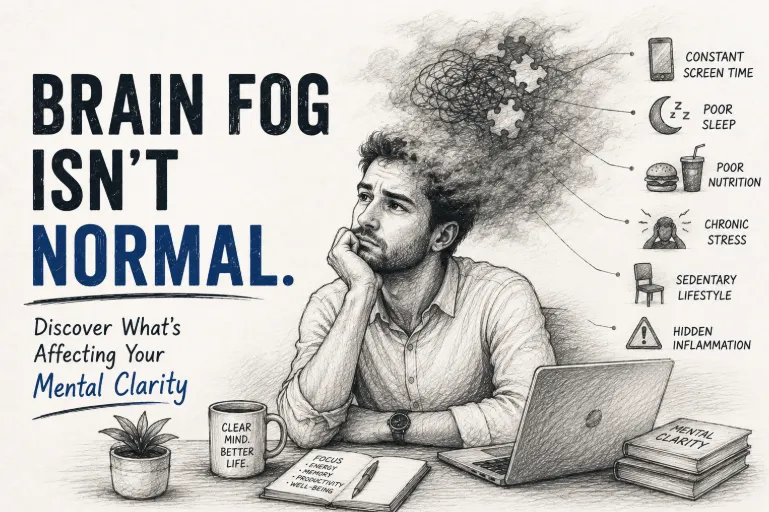

What Causes Brain Fog and How to Get Rid of It
Have you ever walked into a room and forgotten why you were there, read the same email multiple times, or felt mentally exhausted despite getting enough sleep? These can be common signs of brain fog. But what causes brain fog, and how can you get rid of it? Brain fog can affect concentration, memory, decision-making and mental clarity, and may be linked to stress, poor sleep, nutritional deficiencies, hormonal changes or underlying health conditions.
Understanding Brain Fog: Brain fog is a collection of cognitive symptoms rather than a medical condition, often signalling underlying issues such as stress, poor sleep, nutritional deficiencies, hormonal changes, or metabolic health problems.
Common Causes and Warning Signs: Persistent stress, inadequate sleep, nutrient deficiencies, thyroid disorders, hormonal fluctuations, medications, and lifestyle habits can contribute to brain fog, leading to memory lapses, poor concentration, fatigue, and emotional changes.
Daily Life and Recovery: Brain fog can affect work performance, decision-making, relationships, exercise consistency, and everyday responsibilities, making routine tasks feel more mentally demanding than usual.
Restoring Mental Clarity: Recovery focuses on addressing root causes through better sleep, balanced nutrition, stress management, regular movement, and appropriate medical evaluation when needed, with improvements often occurring gradually over time.
Have you ever walked into a room and forgotten why you were there? Read the same email multiple times before understanding it? Or felt mentally exhausted despite getting enough sleep? Many people assume they’re simply stressed, distracted, or getting older. In reality, these are common signs of brain fog.
In this blog, you’ll learn what brain fog is, what causes it, how to recognise its symptoms, how long it can last, and the evidence-backed steps you can take to regain mental clarity. You’ll also understand why Kapiil Guptta, through his experience working with more than 1,000 business owners, believes that brain fog is often a sign of an underlying health issue rather than a lack of motivation or discipline.
What Is Brain Fog?
Brain fog is a term used to describe a collection of symptoms that affect how your brain functions. It is a form of cognitive dysfunction that can make it difficult to concentrate, remember information, process thoughts quickly, or think clearly. Many people describe it as feeling mentally “cloudy” or as though their brain is not working as efficiently as it normally does.
Brain fog is not a medical condition or diagnosis. Instead, it is a symptom that often points to an underlying issue affecting your physical or mental health. Identifying the underlying cause is essential because treating the root problem is often the key to improving mental clarity.
What Causes Brain Fog?
Brain fog rarely has a single cause. In most cases, it develops when several factors begin affecting the brain at the same time. Chronic stress, poor sleep, nutritional deficiencies, hormonal changes, certain medical conditions, medications, and lifestyle habits can all reduce your brain’s ability to function at its best. Understanding the underlying cause is essential because improving focus starts with addressing what is disrupting your brain in the first place.
Chronic Stress
When you’re under stress, your body releases cortisol, a hormone that helps you respond to challenges. While cortisol is helpful in short bursts, constantly elevated levels can interfere with attention, working memory, learning, and decision-making. Research suggests that prolonged stress may also affect the structure and function of brain regions involved in memory and emotional regulation.
Many people who complain of brain fog are not lacking motivation. They are living in a constant state of stress. Many founders come looking for productivity hacks, only to discover that their nervous system has been operating in survival mode for months or even years.
Until your stress response begins to settle, your brain has limited capacity to think clearly. Managing stress is often one of the most important steps in improving concentration and mental clarity.
Poor Sleep
Sleep does much more than help you feel rested. During deep sleep, the brain activates the glymphatic system, a network that clears metabolic waste products that accumulate throughout the day. This process is essential for maintaining healthy brain function and supporting learning, memory, and concentration.
Research has found that insufficient deep sleep and reduced REM sleep are associated with poorer memory, slower processing speed, and difficulty concentrating. This means you can spend enough time in bed and still wake up feeling mentally exhausted if your sleep quality is poor.
Kapiil Guptta often sees business owners who proudly report sleeping seven hours every night but still struggle with brain fog. In many cases, the issue isn’t the number of hours slept but poor recovery caused by stress, irregular sleep schedules, or disrupted sleep quality.
Thyroid Problems
The thyroid gland produces hormones that regulate metabolism, energy production, and many brain functions. When the thyroid becomes underactive, a condition known as hypothyroidism, many processes in the body slow down, including cognitive function.
Brain fog caused by hypothyroidism is often accompanied by symptoms such as fatigue, weight gain, constipation, increased sensitivity to cold, dry skin, and low mood. Because these symptoms develop gradually, they are frequently mistaken for burnout or ageing.
Nutrient Deficiencies
Your brain depends on a steady supply of nutrients to function properly. Iron helps deliver oxygen to brain tissue, vitamin D supports brain development and nerve health, magnesium contributes to normal nerve signalling, and omega-3 fatty acids are important components of brain cell membranes.
Research has linked deficiencies in these nutrients with reduced cognitive performance, poorer memory, mental fatigue, and difficulty concentrating. While supplements may be appropriate in some situations, identifying the specific deficiency is essential before starting treatment.
Kapiil Guptta frequently works with business owners whose busy schedules lead to skipped meals, irregular eating patterns, and reliance on convenience foods. Improving overall nutrition often becomes an important part of restoring consistent mental energy.
Hormonal Changes
Hormones influence much more than reproductive health. They also affect mood, memory, attention, sleep, and cognitive performance. Hormonal fluctuations during the menstrual cycle, pregnancy, postpartum recovery, perimenopause, menopause, and conditions such as PCOS can all contribute to brain fog.
Many women describe feeling forgetful, mentally slower, or unable to concentrate during periods of hormonal change. These symptoms can vary from month to month and are sometimes accompanied by fatigue, mood changes, or sleep disturbances.
Brain fog during hormonal transitions should not be dismissed as something you simply have to live with. Speaking with a healthcare professional can help identify contributing factors and appropriate treatment options.
Long COVID and Gut Health
Many people recovering from COVID-19 continue to experience persistent brain fog for weeks or months after the infection has resolved. Researchers believe ongoing inflammation, immune system changes, and nervous system disruption may contribute to these cognitive symptoms.
Brain health is also closely connected to gut health through the gut-brain axis. The gut microbiome communicates with the brain through nerves, hormones, and immune pathways. Chronic inflammation or an imbalance in gut bacteria may influence cognition, mood, and mental performance.
Digestive symptoms and brain fog can sometimes occur together because both may be influenced by the same underlying processes. Looking beyond the brain itself is often necessary when investigating persistent cognitive symptoms.
Food and Dehydration
Your brain requires a constant supply of water and glucose to function efficiently. Dehydration and frequent blood sugar fluctuations can reduce concentration, increase fatigue, and make thinking feel slower. Skipping meals or consuming large amounts of sugary foods may also contribute to energy crashes throughout the day.
A diet high in ultra-processed foods may promote inflammation while providing fewer nutrients that support brain health. Over time, poor dietary habits can make cognitive symptoms worse, particularly when combined with stress and inadequate sleep.
Many busy professionals rely on multiple cups of coffee to stay alert while neglecting hydration, balanced meals, and regular eating patterns. Caffeine may temporarily increase alertness, but it cannot replace the benefits of proper nutrition and recovery.
Symptoms of Brain Fog
Brain fog looks different for everyone. The symptoms often depend on the underlying cause and can range from mild and occasional to severe enough to interfere with work, relationships, and daily activities.
Thinking Problems
Brain fog most commonly affects cognitive function, making everyday mental tasks feel more difficult than usual. Six common symptoms include:
- Forgetting names, appointments, or recent conversations
- Difficulty concentrating for long periods
- Trouble finding the right words while speaking
- Feeling like your thoughts are slower than usual
- Reading the same sentence multiple times before understanding it
- Decision fatigue, where even simple choices feel overwhelming
Physical Symptoms
Brain fog is often accompanied by physical symptoms because the brain and body constantly influence each other. Five common physical symptoms include:
- Persistent fatigue despite adequate rest
- Frequent headaches
- Poor-quality or unrefreshing sleep
- Eye strain, especially after screen time
- A feeling of heaviness or low physical energy
When your body is under stress, dealing with inflammation, or lacking essential nutrients, your brain often reflects those changes through reduced focus and mental clarity.
Emotional Symptoms
Brain fog can also affect how you feel emotionally. These changes are often a consequence of reduced cognitive function rather than a reflection of your personality. Five common emotional symptoms include:
- Irritability
- Feeling overwhelmed by everyday tasks
- Low motivation
- Increased anxiety
- Frustration over reduced productivity
Many people blame themselves for these emotional changes, when they may actually be signs that the brain and body need recovery and support.
Is Your Brain Fog Mild, Moderate, or Severe?
The severity of brain fog can help determine whether simple lifestyle changes may be enough or whether medical evaluation is needed.
| Severity | What It Looks Like |
| Mild | Occasional forgetfulness or difficulty concentrating that improves with rest or reduced stress. |
| Moderate | Brain fog occurs most days, affects productivity, and makes routine mental tasks more difficult. |
| Severe | Persistent symptoms that interfere with work, relationships, driving, or daily functioning. |
If your brain fog is severe, continues to worsen, or is accompanied by sudden confusion, memory loss, weakness, speech difficulties, severe headaches, or changes in vision, seek medical attention promptly. These symptoms may indicate an underlying medical condition that requires immediate evaluation.
How Long Does Brain Fog Last?
There is no fixed timeline for brain fog. Recovery depends on identifying and addressing the underlying cause. While some people notice improvement within days, others may need weeks or months before their mental clarity returns.
Recovery timelines vary depending on the cause:
- Poor sleep or acute stress: Brain fog often improves within a few days after getting consistent, high-quality sleep and reducing stress levels.
- Vitamin B12 deficiency: Symptoms may take several weeks to months to improve after treatment, depending on the severity of the deficiency.
- Long COVID: Cognitive symptoms can persist for several months, although recovery differs from person to person.
- Hypothyroidism: Brain fog usually improves once thyroid hormone levels are corrected with appropriate medical treatment.
If your brain fog lasts for more than a few weeks, continues to worsen, or is accompanied by symptoms such as memory loss, confusion, weakness, speech difficulties, or severe headaches, it is important to seek medical evaluation. Persistent brain fog should not be ignored, as it may indicate an underlying condition that requires diagnosis and treatment.
How to Get Mental Clarity
There is no single supplement or quick fix for brain fog. A combination of healthy lifestyle habits and appropriate medical care, when needed, is often the most effective approach.
Improve Sleep
Quality sleep is one of the most effective ways to improve mental clarity. Kapiil Guptta recalls working with a business owner who kept trying different supplements to improve focus. After making one simple change by maintaining a consistent bedtime and improving his sleep routine, he noticed better energy, sharper concentration, and greater productivity within a few weeks.
Correct Nutritional Deficiencies
If brain fog persists despite healthy lifestyle habits, consider speaking with your healthcare provider about appropriate testing. Deficiencies in vitamin B12, iron stores (ferritin), vitamin D, and thyroid disorders are common contributors to poor concentration and fatigue.
Whenever possible, prioritise a balanced diet that provides essential nutrients before relying on supplements. If a deficiency is identified, treatment should be guided by a qualified healthcare professional to ensure the correct dosage and long-term management.
Lower Stress
Reducing stress helps calm the nervous system and improves your brain’s ability to focus, learn, and make decisions. Evidence-based strategies such as deep breathing exercises, mindfulness, walking, yoga, and spending time in nature have all been shown to reduce stress and support cognitive function.
The goal is not to eliminate stress completely but to help your nervous system recover between periods of demand. When your body feels safe and well-rested, your brain is better able to perform at its best.
Exercise Regularly
Research shows that regular exercise increases brain-derived neurotrophic factor (BDNF), a protein that supports the growth, repair, and communication of brain cells. This is one of the reasons physical activity benefits memory, learning, and mental clarity.
You do not need intense workouts to experience these benefits. A combination of resistance training, brisk walking, and regular movement throughout the day can significantly support brain health.
Give Your Brain Recovery Time
Modern life constantly competes for your attention. Endless notifications, frequent context switching, and hours of screen time can leave your brain mentally exhausted even when you haven’t done physically demanding work.
Schedule periods of focused work without interruptions, take short breaks between demanding tasks, and establish clear boundaries around screens, especially in the evening. Giving your brain time to recover is just as important as asking it to perform.
Eat for Brain Health
Your brain needs a steady supply of nutrients to function efficiently. Include adequate protein, healthy fats, leafy green vegetables, seasonal fruits, fermented foods such as curd, and enough water as part of your daily diet. Choosing whole foods over ultra-processed foods also helps support stable energy levels.
Keeping your blood sugar steady is equally important. Instead of skipping meals or relying on sugary snacks and caffeine, build balanced meals with protein, fibre, and healthy fats. Simple Indian meals such as dal with roti and vegetables, vegetable khichdi with curd, paneer or egg bhurji with whole-grain toast, or a bowl of sprouts with nuts can provide sustained energy without unnecessary restrictions.
How Long Does Brain Fog Recovery Take
Recovering from brain fog takes time, and the process is rarely linear. Some people notice improvements within a few days, while others may need several weeks or months, depending on the underlying cause. The key is to stay consistent with healthy habits and address the root cause rather than expecting an overnight change.
First Week
During the first week, focus on improving the basics. Prioritise consistent sleep, stay well hydrated, reduce caffeine intake if you rely on it heavily, eat meals at regular times, and begin practising stress management techniques such as deep breathing or walking.
Many people notice better energy levels, fewer afternoon crashes, and improved mood during this phase. Significant improvements in memory and concentration usually take longer, but feeling physically better is often the first sign that your brain is beginning to recover.
Weeks 2 to 4
By this stage, healthy habits become easier to maintain. If nutritional deficiencies such as vitamin B12, iron, or vitamin D are contributing to brain fog, appropriate treatment may begin to improve cognitive symptoms during this period. Regular exercise may also feel less tiring as your energy levels improve.
Many people notice better mental stamina, improved concentration, and greater productivity compared to the first week. Small improvements tend to build over time when healthy habits remain consistent.
One to Three Months
For many people, recovery becomes more noticeable over the next one to three months. Focus becomes sharper, memory improves, decision-making feels easier, and emotional resilience often increases as the brain and body continue to recover.
Kapiil Guptta has found that lasting improvement rarely comes from a single supplement or productivity hack. Many clients say they finally feel like themselves again after addressing multiple contributors such as sleep, stress, nutrition, and movement together rather than searching for one quick fix.
Conclusion
Brain fog is more than occasional forgetfulness or mental fatigue. It is often your body’s way of signalling that something needs attention, whether it’s chronic stress, poor sleep, nutritional deficiencies, hormonal changes, or an underlying medical condition. Identifying the root cause is the first step towards restoring mental clarity and long-term brain health.
If brain fog is affecting your work, relationships, or quality of life, you don’t have to navigate it alone. Through his experience working with business owners, Kapiil Guptta helps individuals identify the lifestyle factors that may be contributing to low energy and reduced mental clarity. With a personalised, root-cause approach, he can help you build sustainable habits that support better focus, energy, and overall well-being alongside appropriate medical care when needed.
Frequently Asked Questions
Can brain fog be cured?
Brain fog is not a disease itself, so it is not cured with a single pill. Instead, it is a sign of other issues like poor sleep, stress, or medical conditions. When you find and treat the root cause, brain fog can go away completely.
How to remove brain fog and improve mental clarity?
To reduce brain fog and improve clear thinking, prioritize getting 7 to 9 hours of quality sleep, drinking enough water to stay hydrated, engaging in daily physical movement, eating whole and nutritious foods, and actively managing high stress levels.
Can anxiety cause brain fog?
Yes, anxiety can cause brain fog. When you feel anxious, your mind works overtime to process worry. This leaves less mental energy for focus, memory, and clear thinking.
Can insulin resistance cause brain fog?
Insulin resistance causes brain fog when cells in the brain struggle to use glucose for fuel properly. This energy shortage slows down mental processing, focus, and memory, often triggering mental exhaustion, mood shifts, and cloudy thinking, particularly after meals containing high amounts of refined carbohydrates.
What vitamin gets rid of brain fog?
There is no single magic vitamin that cures brain fog, because brain fog stems from many root causes like poor sleep, stress, or a nutrient deficiency. However, deficiencies in Vitamin B12 and Vitamin D are most commonly linked to mental sluggishness and lack of focus.
Read More: The Truth About Intermittent Fasting for Indians
Follow Kapiil Gupta on Instagram for practical health tips, executive wellness strategies, and evidence-based guidance to improve your energy, leadership, and business performance.
Instagram: https://instagram.com/kapiilguptta

Leave a Reply