

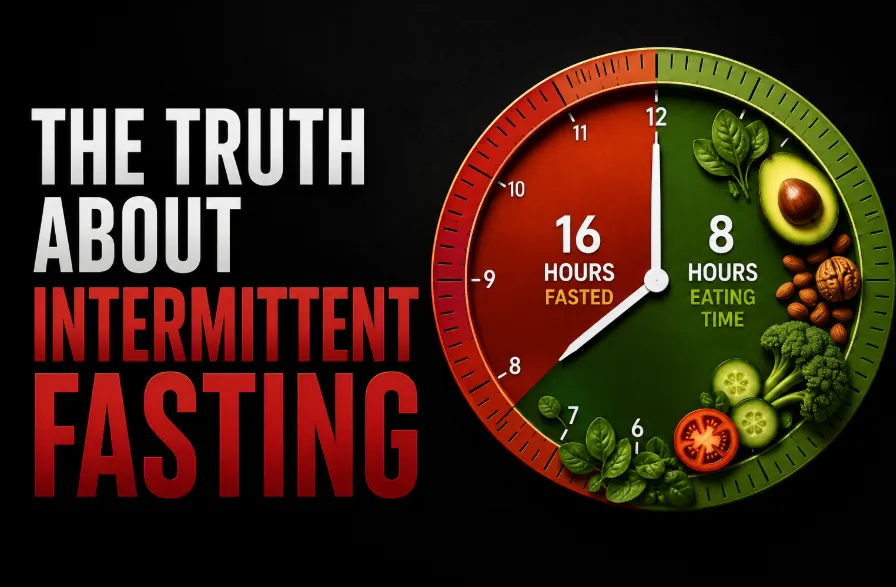

- The Mechanism of Fasting: Intermittent fasting shifts the body from a constant fed state to utilizing stored fat for energy by creating longer gaps between meals to lower and stabilize insulin levels.
- Cultural and Lifestyle Friction: Standard fasting templates clash with typical Indian routines, where deep-rooted habits like late-night family dinners, constant chai breaks, and low-protein vegetarian diets often disrupt fasting windows or stall fat loss.
- Bio-Feedback Indicators: True progress is marked by internal shifts like predictable hunger, decreased mental obsession with food, and sustained workout stamina, rather than aggressive physical fatigue or nighttime bingeing.
- Sustainably Tailored Frameworks: Achieving long-term health benefits requires matching fasting windows to individual health profiles, shifting from rigid, generic online protocols to flexible schedules that accommodate specific metabolic needs and social routines.
The Truth About Intermittent Fasting for Indians, Intermittent fasting has become one of the most talked-about health trends in India. From fitness influencers and doctors to friends and family WhatsApp groups, everyone seems to have an opinion on it. Some people find it helpful for weight loss and blood sugar control, while others experience acidity, cravings, fatigue, poor sleep, or regain weight after stopping. The truth is, intermittent fasting does not work the same way for every Indian lifestyle or body. Our late dinners, chai culture, stressful work schedules, and common health conditions like PCOS, thyroid issues, acidity, and diabetes make the conversation far more complex than most blogs admit. In this blog, we’ll explore how intermittent fasting actually works, the different methods people follow, signs it may or may not be working for you, whether it truly suits Indian lifestyles, and which fasting approaches are most realistic and sustainable for Indians.
What Is Intermittent Fasting & How Does It Work? The Truth About Intermittent Fasting for Indians
Intermittent fasting, or IF, is an eating pattern that focuses more on when you eat rather than constantly focusing on calories, complicated meal plans, or cutting out entire food groups. It creates a structured eating schedule where the body gets a longer gap between meals instead of continuous eating throughout the day.
Over the last few years, intermittent fasting has gained massive popularity in India because many people see it as a simpler and more flexible approach to health and weight management. Unlike traditional diets that often feel restrictive, IF is usually followed by adjusting meal timings and creating fixed eating windows during the day.
One reason intermittent fasting attracts so much attention is that it doesn’t necessarily ask people to completely give up Indian food. Instead, it changes the timing and frequency of eating. That’s also why many people find it easier to try compared to strict diet plans.
Every time we eat, especially meals high in refined carbs or sugar, the body releases insulin to help move glucose from the bloodstream into the cells for energy. When eating happens continuously throughout the day, frequent snacks, sugary chai, late-night meals, or constant munching, insulin levels remain elevated for longer periods.
Intermittent fasting works by creating longer gaps between meals, allowing the body to move away from a constant “fed state.” As fasting hours increase, insulin levels gradually begin to drop, and the body slowly starts using stored energy instead of relying only on incoming food for fuel.
- The Body Starts Using Stored Energy: Normally, the body primarily runs on glucose from your most recent meal. But after several hours without food, especially around the 10–16 hour mark, the body gradually starts tapping into stored fat for energy. This shift is often called the metabolic switch.
- Insulin Levels Begin to Stabilise: When insulin remains high throughout the day because of constant eating, the body finds it harder to access stored fat. Longer gaps between meals may help improve insulin sensitivity and blood sugar regulation. This becomes especially relevant in India, where rising rates of insulin resistance and type-2 diabetes are already a major health concern.
- Eating Patterns Often Become More Structured: For many people, intermittent fasting naturally reduces mindless snacking, emotional eating, and late-night overeating. Instead of eating randomly throughout the day, meals become more intentional and time-bound.
- The Body Gets a Longer Digestive Break: Some people also notice lighter digestion, reduced bloating, and better appetite awareness when the digestive system is not constantly processing food throughout the day.
- Cellular Repair Processes May Increase: Longer fasting windows may also trigger a process called autophagy, where the body starts breaking down and recycling damaged cellular components. While this is one of the most talked-about benefits of fasting, it’s important not to oversimplify it, as research is still evolving.
During fasting hours, people usually stick to water, black coffee, or unsweetened tea to avoid breaking the fast. However, in India, even this becomes more complicated because chai with milk and sugar is deeply woven into daily life, something we’ll explore later in the blog.
What Are The Benefits Of Intermittent Fasting?
One of the biggest reasons intermittent fasting has become so popular is that many people find it simpler to follow than traditional diets. Instead of constantly counting calories or avoiding entire food groups, IF focuses more on meal timing and eating structure.
Here are some of the commonly associated benefits of intermittent fasting:
- Supports weight management: Structured eating windows often reduce overeating, late-night eating, and unnecessary snacking.
- Helps the body burn stored fat: Longer gaps between meals allow the body to gradually shift toward using stored energy for fuel.
- Improves blood sugar control: Many people experience better insulin sensitivity and more stable energy levels over time.
- Supports better energy and focus: Many people report steadier energy levels and fewer energy crashes once constant snacking and high-sugar eating patterns are reduced.
- Improves eating awareness: Intermittent fasting can make people more conscious of emotional eating, boredom snacking, and stress-driven cravings.
- Supports metabolic health: Intermittent fasting is often linked with improvements in body weight, waist size, and overall metabolic markers.
- May reduce inflammation: Lower oxidative stress and inflammation may support long-term health and recovery.
- Supports brain function: Some people report better focus, mental clarity, and steadier energy during structured fasting routines.
- Activates cellular clean-up processes: Longer fasting windows are linked with autophagy, where the body starts recycling damaged cellular components.
At the same time, it’s important to remember that intermittent fasting is not automatically healthy just because someone is eating within a smaller window. Food quality, sleep, stress, movement, and overall lifestyle still matter enormously.
What Are The Types Of Intermittent Fasting?
There are several different ways people practice intermittent fasting. Some methods are easier to sustain in Indian lifestyles, while others can feel too restrictive or difficult to maintain long-term.
Here are the most common types of intermittent fasting:
1. 12:12 Method
This is one of the simplest forms of fasting and is often a comfortable starting point for beginners.
You fast for 12 hours and eat within the remaining 12-hour window.
Example: If you finish your dinner at 8 PM, you will have your first meal the next morning around 8 AM. Since most of the fasting window happens during sleep, many people naturally follow something close to this already.
This method usually feels more sustainable for people with acidity, high stress levels, poor sleep, or demanding work schedules.
2. 14:10 Method
In this approach, you fast for 14 hours and eat within a 10-hour window.
Example: If dinner finishes at 8 PM, your next meal would be around 10 AM the following day. This creates a slightly longer fasting window without feeling too restrictive.
For many Indians, this tends to feel more practical and socially manageable than stricter fasting schedules.
3. 16:8 Method
This is the most popular intermittent fasting method worldwide. You fast for 16 hours and eat all your meals within an 8-hour window.
Example: You might eat your meals between 12 PM and 8 PM, then avoid calories outside that window until the next day. Many people end up skipping breakfast while continuing lunch and dinner normally.
Many people follow this for weight loss and blood sugar management, although it can become difficult to sustain with late-night dinners, office schedules, family meals, or intense workout routines.
4. 5:2 Method
In the 5:2 approach, you eat normally for five days of the week and significantly reduce calorie intake on the remaining two days. On fasting days, calorie intake is usually limited to around 500–600 calories.
Example: Someone may eat normally from Monday to Friday, then follow two lower-calorie days during the week with lighter meals, soups, fruits, or controlled portions.
Some people prefer this method because they do not have to fast daily, but others find the low-calorie days mentally and physically exhausting.
5. OMAD (One Meal a Day)
As the name suggests, this method involves eating one large meal a day and fasting for the remaining hours.
Example: A person may eat one large lunch or dinner containing all their daily calories and avoid eating for the rest of the day.
While OMAD is popular in some fitness and biohacking communities, it can feel extremely restrictive and may not be suitable for everyone, especially beginners, people with high stress levels, acidity, diabetes, or individuals trying to maintain muscle mass.
6. Early Time-Restricted Eating
This approach focuses on eating earlier in the day and finishing meals before evening.
Example: A person may start eating around 8 AM, finish lunch by early afternoon, and complete dinner by 4 PM or 5 PM, allowing the body a longer overnight fasting window.
Research around circadian rhythm and meal timing suggests this may support better metabolic health, but it can be socially difficult to follow in Indian lifestyles, where dinners often happen late.
Is Intermittent Fasting Actually Working For Indians?
Intermittent fasting can work well for many Indians, but the reality is far more complicated than most social media posts or generic diet blogs make it seem.
India is already facing a massive rise in obesity, insulin resistance, type-2 diabetes, fatty liver, PCOS, and lifestyle-related health issues. Since intermittent fasting helps create better eating structure and reduces constant snacking, many people genuinely notice benefits like weight loss, better appetite control, improved energy, and more stable blood sugar levels. But at the same time, Indian lifestyles also create challenges that most fasting advice completely ignores.
The Late Dinner Problem
One of the biggest issues is meal timing. In many Indian households, dinner happens between 9 PM and 11 PM because of work schedules, commuting, coaching classes, family routines, or social habits.
This becomes a problem because many popular fasting schedules are built around Western lifestyles, where people often eat dinner much earlier. Late-night eating can affect digestion, sleep quality, blood sugar regulation, and overall consistency with fasting.
Chai & Snacking Culture
For many Indians, the day revolves around chai breaks, biscuits, namkeen, office snacks, or evening tea rituals. Even if someone is trying to follow intermittent fasting, these small eating moments often break the fasting window without people realising it. This is one reason many people feel: “I’m fasting, but I’m not seeing results.”
Acidity & Gut Issues
A large number of Indians already struggle with acidity, bloating, reflux, or irregular digestion. Long fasting windows combined with spicy food, excessive tea or coffee, poor sleep, and stress can sometimes worsen these symptoms instead of improving them. This is one of the least discussed realities of intermittent fasting in India.
The Protein Gap
Another major challenge, especially in Indian vegetarian diets, is low protein intake. Many people reduce their eating window but continue eating mostly carb-heavy meals like poha, paratha, rice, bread, biscuits, or packaged snacks.
As a result, some people may lose weight initially but also experience low energy, poor recovery, constant cravings, weakness, or even muscle loss. This is one reason why some individuals become “skinny-fat”, losing weight on the scale without actually improving body composition or metabolic health.
Stress & Lifestyle Challenges
Intermittent fasting often works best when sleep, stress, and meal quality are reasonably stable. But many Indians are already dealing with high stress, long work hours, irregular schedules, emotional eating, poor sleep, and constant mental fatigue.
In these situations, aggressive fasting can sometimes feel exhausting instead of energising. Some people experience irritability, low workout performance, headaches, binge eating, or intense cravings simply because their body is already under stress.
This is why intermittent fasting is not simply about copying a 16:8 schedule from Instagram. The real question is whether the fasting approach actually fits your body, lifestyle, health conditions, and daily routine in a sustainable way.
How Do You Know If Intermittent Fasting Is Actually Working for You?
Your body usually gives signals long before the weighing scale tells the full story. Here are some common signs that help you understand whether intermittent fasting is genuinely helping your body — or simply creating another unsustainable routine.
Signs It’s Working
Here are a few signs that fasting is settling well into your lifestyle and body.
- Less mental eating: You stop thinking about food every couple of hours. The constant urge to snack, open the fridge, or eat something “just because it’s there” starts to reduce naturally.
- More controlled dinners: One of the clearest signs is when dinner stops feeling like compensation for the entire day. You eat normally instead of feeling like you need to “make up” for fasting hours.
- Hunger feels predictable: Instead of sudden crashes or irritability, hunger starts feeling more stable and easier to manage. You can wait for meals without feeling mentally distracted all day.
- Better awareness around food: A lot of people realise they were not actually hungry most of the time, they were eating because of habit, boredom, stress, or routine.
- The routine feels easier with time: Good fasting routines usually become quieter over time. You stop constantly forcing yourself to follow them.
Signs It’s NOT Working
Here are some signs that your fasting routine may be too aggressive, poorly timed, or simply not suited to your current lifestyle.
- Night-time overeating: You stay highly disciplined throughout the day, but end up overeating once dinner begins. This is extremely common in Indian lifestyles, where dinner is often the largest meal.
- Dependence on caffeine: Fasting starts feeling manageable only because coffee or tea is suppressing hunger. Missing caffeine suddenly makes the fasting window feel unbearable.
- Feeling physically weaker: The scale may drop, but workouts feel worse, recovery slows down, stamina reduces, or the body starts looking flatter instead of healthier.
- Food becomes emotionally bigger: Instead of improving your relationship with food, fasting makes eating feel more emotionally charged, restrictive, or guilt-driven.
- Social life starts feeling irritating: Family meals, weddings, travelling, or eating out begin feeling stressful because the fasting schedule becomes too rigid to maintain normally.
Which Intermittent Fasting Schedule Fits Your Lifestyle Best?
Not every intermittent fasting schedule works equally well for every Indian lifestyle. The right approach usually depends less on “discipline” and more on whether the routine realistically fits your meal timings, work life, digestion, activity levels, and social routine.
Late dinner schedules
12:12 or 14:10 works better: If dinner regularly happens around 9:30 PM or 10 PM, forcing a strict 16:8 schedule often becomes difficult to maintain. Moderate fasting windows usually feel more realistic without turning dinner into a rushed or stressful meal.
Avoid compensation fasting: A common mistake is eating very late at night and then starving aggressively the next day to “balance it out.” This often ends in overeating again by evening.
Busy office lifestyles
14:10 feels more practical: For many working professionals, this creates enough structure without making the workday mentally exhausting.
Avoid surviving on caffeine: A lot of people skip meals all day using coffee or tea and then eat extremely heavy dinners at night. That pattern usually worsens cravings and energy crashes over time.
People with acidity
Shorter fasting windows suit better. Long fasting hours combined with tea, coffee, spicy food, and irregular eating often aggravate acidity in Indian lifestyles.
Meal timing matters more: Earlier dinners and reducing continuous snacking often help digestion more than aggressively increasing fasting hours.
PCOS & thyroid issues
Avoid blindly copying online routines. Some women genuinely feel better with structured fasting windows, while others feel more exhausted, irritable, or hormonally dysregulated with aggressive fasting.
Consistent meals, movement, sleep, and stress regulation often make a bigger difference than chasing the longest fasting window possible.
People above 40
Recovery becomes more important: After 40, muscle preservation, recovery quality, and protein intake become far more important than rapid weight loss.
Aggressive fasting can backfire: Many people above 40 lose weight quickly through extreme fasting but also notice weakness, poorer recovery, lower stamina, or reduced muscle quality over time.
Conclusion
Intermittent fasting is neither magic nor useless. For some people, it genuinely improves eating discipline, reduces constant snacking, supports better blood sugar control, and helps create a healthier relationship with food. For others, especially when done too aggressively, it can quietly turn into another stressful routine built around restriction, caffeine, overeating, and exhaustion. The biggest mistake people make is assuming that longer fasting automatically means better health. In reality, the most effective fasting routine is usually the one that fits naturally into your lifestyle, work schedule, digestion, social life, and long-term health goals. If you want to understand which fasting approach actually suits your body, lifestyle, energy levels, and long-term health goals, the team at WAYDA and Kapiil Guptta focus on creating realistic, Indian-context health systems instead of extreme one-size-fits-all diet trends.
Frequently Asked Questions
What are the biggest intermittent fasting mistakes?
Some of the biggest intermittent fasting mistakes include not eating nutritious meals during the eating window, starting fasting without proper planning, eating too few calories, restricting heavily during the day and then binge eating at night, and making constant exceptions during the fasting window through sugary drinks, biscuits, small snacks, or milk tea.
What is the hardest part of intermittent fasting?
For most beginners, the hardest part is adapting to a completely different eating pattern. People who are used to frequent meals or constant snacking often experience hunger, cravings, irritability, headaches, or low energy during the initial phase of intermittent fasting.
What is the most powerful intermittent fasting method?
There is no single “best” fasting method for everyone. The most effective approach is usually the one you can follow consistently without exhausting yourself physically or mentally. For many Indians, moderate schedules like 12:12 or 14:10 tend to be more sustainable than extreme fasting routines.
Does intermittent fasting work for Indians?
Yes, intermittent fasting can work well for many Indians, especially for improving eating discipline, reducing constant snacking, and supporting weight management. However, Indian lifestyles also come with challenges like late dinners, chai culture, stressful work schedules, and low-protein meal patterns, which can affect how successful fasting feels long term.
Is there any truth to intermittent fasting?
Yes. Research does show potential benefits related to weight management, insulin sensitivity, blood sugar regulation, and metabolic health. However, intermittent fasting is often oversimplified online. It is not magic, and results still depend heavily on food quality, lifestyle, sleep, activity, and consistency.
Can I fast if I have high cortisol?
It depends on how your body responds. Some people tolerate fasting well even during stressful periods, while others feel more anxious, exhausted, irritable, or emotionally reactive with longer fasting windows. If you already feel chronically stressed, sleep-deprived, or mentally burnt out, aggressive fasting may not be the best starting point.
Not losing weight even after following a healthy routine? Learn why low energy despite sleeping 8 hours could be silently affecting your metabolism, recovery, and fat loss.
👉 Read More: Low Energy Despite Sleeping 8 Hours
Follow Kapiil Gupta on Instagram for daily health tips, expert insights, and practical strategies to improve your energy, nutrition, and overall performance.
👉 Follow on Instagram: https://instagram.com/kapiilguptta