

what is the difference between stress and burnout
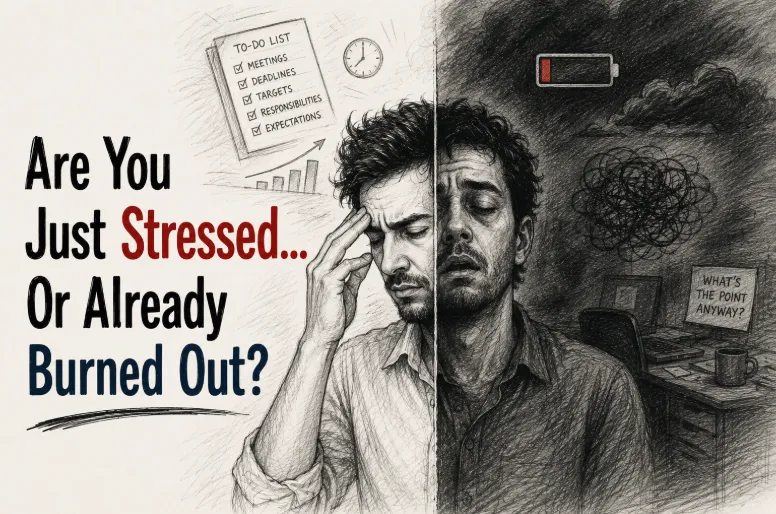
Stress is usually a short-term response to pressure or demanding situations, while burnout develops gradually after prolonged, unmanaged stress and inadequate recovery. Stress can leave you feeling overwhelmed but still motivated, whereas burnout often involves emotional exhaustion, detachment, reduced motivation and feeling ineffective.
- Stress vs. Burnout: Stress is the body’s short-term response to pressure, while burnout develops gradually when ongoing stress is left unmanaged and recovery is consistently overlooked.
- Recognising the Warning Signs: Stress often brings overwhelm and anxiety while keeping you engaged, whereas burnout is marked by emotional exhaustion, detachment, reduced motivation, and feeling ineffective.
- How Burnout Develops: Persistent poor sleep, constant mental pressure, inadequate recovery, and unhealthy daily habits can slowly push chronic stress into burnout, affecting both physical and mental well-being.
- Recovery Requires the Right Approach: Managing stress focuses on restoring balance through healthy daily habits, while burnout recovery requires addressing the underlying lifestyle, workload, and recovery patterns that continue to drain your energy.
Many people assume that feeling exhausted is simply part of having a demanding career. You wake up tired even after a full night’s sleep, struggle to stay focused through the day, and find yourself counting down to the weekend. Yet even after taking time off, you still don’t feel refreshed. It is easy to label this as stress, but persistent fatigue, emotional exhaustion, and a loss of motivation may point to something more serious. Understanding the difference is important because the way you recover from stress is not the same as the way you recover from burnout.
In this blog, we will explore what stress and burnout actually are, how their symptoms differ, when ongoing stress can develop into burnout, and the practical steps that help prevent both. Drawing on research as well as years of experience working with more than 1,000 business owners, founders, and busy professionals, Kapiil Guptta has observed that many people fail to recognise burnout until it has already begun affecting their energy, health, relationships, and performance. Recognising the warning signs early can help you take action before temporary stress turns into long-term exhaustion.
What Is Stress?
Stress is your body’s natural response to any challenge or demand. It is a survival mechanism that prepares you to react quickly when you face pressure, uncertainty, or change. Whether you’re presenting to clients, managing a growing business, or dealing with personal responsibilities, your brain activates the body’s stress response to help you cope.
Research shows that stress activates the sympathetic nervous system, leading to the release of hormones such as cortisol and adrenaline. These hormones prepare your body for action by increasing alertness and making more energy available.
Short-term stress can improve performance in situations like:
- Meeting important deadlines
- Delivering presentations
- Growing a business
- Preparing for examinations
- Handling unexpected challenges
The problem begins when stress becomes constant. Acute stress lasts for a short period and usually fades once the situation passes. Chronic stress continues for weeks or months, giving your body little time to recover.
People believe constantly feeling busy means they are being productive. In reality, healthy stress should settle once the challenge is over. When the body never gets a chance to recover, stress slowly starts affecting energy, focus, and overall health.
What Happens Inside Your Body?
When you’re stressed, your body immediately shifts into fight-or-flight mode. Cortisol and adrenaline are released to help you deal with the situation. These hormones temporarily improve your ability to respond by changing how different systems in the body work.
During this response:
- Your heart beats faster.
- Blood pressure rises.
- Blood sugar increases to provide quick energy.
- Breathing becomes faster.
- Digestion slows down because the body prioritises survival over recovery.
This response is helpful during short-term challenges, but it isn’t designed to stay switched on all the time. Research suggests that prolonged exposure to high cortisol levels can affect several aspects of health, including:
- Sleep quality
- Immune function
- Memory and concentration
- Metabolism
- Emotional regulation
- Blood sugar balance
Kapiil Guptta frequently sees this pattern among entrepreneurs. One founder approached him after experiencing constant fatigue despite sleeping longer than usual. His routine had not changed significantly, yet his blood sugar levels had increased and his energy continued to decline. The underlying issue wasn’t simply nutrition. Months of poor recovery and ongoing stress had affected his body’s ability to regulate blood sugar efficiently. Similar patterns are common among professionals who spend long periods operating under constant pressure.
Signs You’re Under Stress
Stress affects everyone differently, but there are several warning signs that your body may be under more pressure than it can comfortably handle.
Common signs of stress include:
- Feeling overwhelmed by daily responsibilities
- Racing thoughts
- Becoming easily irritated
- Tight muscles, especially around the neck and shoulders
- Frequent headaches
- Difficulty falling or staying asleep
- Faster heartbeat
- Digestive discomfort such as bloating or stomach pain
- Feeling tired while still pushing yourself to keep going
One important characteristic of stress is that motivation is usually still present. You may feel exhausted or overwhelmed, but you still care about your work, your family, and your goals. Most people experiencing stress believe they’ll feel better after a good night’s sleep, a weekend off, or a short holiday.
What Is Burnout?
Burnout is more than feeling tired after a demanding week. It develops gradually after prolonged, unmanaged stress and affects much more than your energy levels. Unlike stress, which often makes you feel overwhelmed, burnout changes how you feel about your work, yourself, and even the activities you once enjoyed. Over time, it can affect your motivation, productivity, relationships, and physical health.
The Three Main Signs of Burnout
Research on burnout, particularly the work of psychologist Christina Maslach, identifies three core experiences that commonly occur together. While everyone experiences burnout differently, these signs help explain why it feels very different from ordinary stress.
The three signs of burnout are:
- Emotional exhaustion: Feeling mentally and physically drained most days.
- Detachment or cynicism: Becoming emotionally distant from work, colleagues, or responsibilities.
- Feeling ineffective: Believing your efforts no longer make a meaningful difference, even when you’re achieving results.
These changes usually develop gradually rather than overnight. Having worked with more than 1,000 business owners, Kapiil Guptta often finds that clients dismiss these early signs as “just being busy.” By the time they recognise burnout, their energy, motivation, and overall health have already started to decline.
Why Sleep Alone Doesn’t Fix Burnout
A weekend off or a good night’s sleep may temporarily reduce fatigue, but burnout requires much deeper recovery. Research suggests that burnout affects emotional regulation, motivation, nervous system function, and the body’s ability to recover from ongoing stress.
Four reasons why burnout often returns after a short break:
- The workload usually remains unchanged.
- Daily habits that drain energy continue.
- Recovery isn’t built into the routine.
- Physical and mental stress continue accumulating.
Many people approach Kapiil Guptta looking for supplements to improve their energy. While nutrition can support recovery, his first priority is identifying what is continuously draining that energy. Poor sleep, irregular meals, constant decision-making, lack of movement, and ongoing stress often work together to create burnout. Addressing these root causes leads to far more sustainable recovery than relying on temporary solutions.
Burnout vs Stress: Key Differences
Stress and burnout are often used interchangeably because both can leave you feeling tired, distracted, and mentally drained. However, they are not the same. Stress is usually a response to short-term pressure, while burnout develops after prolonged exposure to unmanaged stress and a lack of recovery. Understanding the difference can help you choose the right approach to recovery.
| Stress | Burnout |
| Usually develops over a short period | Develops gradually over weeks or months |
| You feel overwhelmed but still have energy to keep going | You feel emotionally and physically exhausted |
| Anxiety and constant worry are common | Hopelessness, detachment, and emotional numbness are more common |
| You remain engaged with your work and responsibilities | You begin withdrawing from work and lose motivation |
| A good night’s sleep or a short break often helps | Rest provides only temporary or limited relief |
| Stress hormones such as cortisol remain elevated | Motivation, enthusiasm, and sense of accomplishment decline |
| Often triggered by temporary pressure or demanding situations | Usually results from chronic, unmanaged stress and inadequate recovery |
Research from the World Health Organization (WHO) recognises burnout as an occupational phenomenon resulting from chronic workplace stress that has not been successfully managed. While stress can often improve once the pressure passes, burnout usually requires deeper lifestyle changes, better recovery, and addressing the factors that have been draining your physical and mental energy over time.
When Does Stress Become Burnout?
Burnout rarely happens overnight. It develops gradually when stress continues for weeks or months without enough time for recovery. As your body and mind remain under constant pressure, your ability to bounce back slowly declines. The earlier you recognise the warning signs, the easier it is to prevent stress from turning into burnout.
The transition from stress to burnout is often subtle. At first, you may simply feel that you’re taking longer to recover from busy days. Over time, the exhaustion begins to linger, even after you’ve had time to rest.
Early warning signs include:
- Recovery takes longer than it used to.
- Weekends or short breaks no longer leave you feeling refreshed.
- Your motivation starts to decline.
- Sleep quality becomes poor, even if you’re spending enough time in bed.
- You fall sick more often or take longer to recover from illness.
As burnout develops, the symptoms often become more noticeable and begin affecting both your work and personal life.
You may also experience:
- Constant physical and mental exhaustion
- Emotional numbness or feeling disconnected
- Brain fog and difficulty concentrating
- Increased irritability or frustration
- Avoiding work or responsibilities you once enjoyed
One client came to Kapiil Guptta primarily because persistent fatigue and body pain were affecting his work. Through a comprehensive health assessment, Kapiil identified several lifestyle patterns that were preventing proper recovery. By improving sleep, movement, nutrition, and daily routines, the client’s energy gradually returned, along with better focus and productivity. Experiences like these show that burnout often begins with physical symptoms long before people recognise the emotional and mental changes.
Ways to Prevent Stress and Burnout
Although stress and burnout are closely connected, they don’t respond to the same solution. Stress often improves with timely recovery and healthy daily habits, while burnout usually requires addressing the deeper factors that have been draining your energy over time. Understanding where you are is the first step towards choosing the right approach.
If You’re Feeling Stressed
If you’re experiencing stress, the goal is to help your body recover before stress becomes chronic. Small actions taken consistently can reduce the physical effects of stress and improve your ability to handle future challenges.
Five simple ways to manage stress include:
- Prioritise 7 to 9 hours of quality sleep.
- Take regular walks, especially outdoors.
- Practice slow breathing exercises to calm your nervous system.
- Eat enough protein to support stable energy levels.
- Stay hydrated throughout the day.
Along with these immediate habits, making small lifestyle changes can prevent stress from building up over time.
Long-term habits that help include:
- Set clear boundaries between work and personal time.
- Include daily movement, even on busy days.
- Schedule recovery with the same importance as meetings.
- Reduce unnecessary decisions by creating routines and systems.
Research suggests that consistent recovery habits such as regular sleep, physical activity, and relaxation techniques help reduce cumulative stress and improve resilience. The key isn’t eliminating stress completely but giving your body enough opportunities to recover from it.
If You’re Burned Out
Burnout recovery requires more than simply taking a few days off. While rest is important, lasting recovery happens when the factors causing burnout are identified and addressed. Without these changes, the same cycle often returns soon after you resume your routine.
Recovery from burnout may involve:
- Reassessing your workload and responsibilities.
- Rebuilding healthy daily routines.
- Improving sleep quality and consistency.
- Following a balanced, nutrient-rich diet.
- Supporting nervous system recovery through stress management.
- Seeking medical evaluation if symptoms persist or interfere with daily life.
Many people hope there is a single supplement or quick fix that will restore their energy. In Kapiil Guptta’s experience working with more than 1,000 business owners, burnout rarely has just one cause. It is usually the result of poor recovery, irregular eating habits, lack of movement, disrupted sleep, and constant mental pressure building up over time. Sustainable recovery comes from addressing these root causes together, rather than relying on temporary solutions.
How to Stop Stress From Becoming Burnout
Stress is a normal part of life, especially if you’re building a business, leading a team, or balancing multiple responsibilities. Burnout, however, is often preventable when you recognise the warning signs early and make recovery a part of your daily routine instead of something you save for weekends or annual vacations. The goal isn’t to avoid stress completely. It’s to recover from it consistently before it begins affecting your health, motivation, and performance.
Eight simple habits that can help prevent burnout include:
- Protect your sleep by maintaining a consistent bedtime.
- Take short movement breaks throughout the workday.
- Set clear boundaries between work and personal time.
- Schedule recovery with the same priority as meetings.
- Eat regular, balanced meals instead of skipping them.
- Stay physically active, even on busy days.
- Pay attention to persistent fatigue, brain fog, irritability, or emotional detachment instead of pushing through them.
- Seek support early if your symptoms continue despite making healthy lifestyle changes.
Kapiil Guptta has worked with more than 1,000 business owners, founders, and busy professionals who believed constant exhaustion was simply the price of success. Through comprehensive health assessments and personalised lifestyle interventions, he helps uncover the root causes affecting energy, recovery, and long-term performance. If stress has become your normal, it may be time to look beyond the symptoms. Understanding what’s happening beneath the surface is often the first step towards preventing burnout and building sustainable health.
Conclusion
Stress and burnout may share some symptoms, but they are not the same. Recognising the difference early can help you take the right steps before ongoing stress begins affecting your energy, health, and overall quality of life. Small changes made consistently today can prevent bigger problems tomorrow.
If you’re constantly feeling exhausted, struggling to recover, or unsure whether you’re dealing with stress or burnout, Kapiil Guptta can help. With experience working with more than 1,000 business owners, founders, and busy professionals, he uses comprehensive health assessments and personalised lifestyle strategies to identify the root causes affecting your energy, recovery, and performance, helping you build sustainable health for the long term.
Frequently Asked Questions
How can I tell if I’m burned out?
You might be burnt out if you feel deeply exhausted, emotionally drained, and detached from things you usually care about, rather than just having a busy week. Burnout builds up over time from ongoing stress at work, school, or home.
What are the five stages of burnout?
The five stages of burnout trace how unmanaged long-term stress builds up over time: the honeymoon phase, the onset of stress, and chronic stress, leading into burnout and habitual burnout.
Is burnout the same as stress?
No, stress and burnout are not the same, though they are closely linked. Stress generally involves having too many pressures and overactive emotions, while burnout involves feeling completely depleted, empty, and detached.
How to reverse burnout fast?
Reversing burnout fast requires dropping non-essential tasks, aggressively resetting your sleep, and setting hard digital boundaries. Because true neurological recovery takes time, you cannot completely cure severe burnout overnight, but you can stop the bleeding immediately by cutting the primary stressor.
How long can burnout last?
It takes an average time of three months to a year to recover from burnout. How long your burnout lasts will depend on your level of emotional exhaustion and physical fatigue, as well as if you experience any relapses or periods of stagnant recovery.
Is exercise good for burnout?
Yes, exercise is good for burnout because it lowers stress hormones, boosts your mood, and helps you sleep better. However, heavy or hard workouts can sometimes make exhaustion worse.
Read More: The Truth About Intermittent Fasting for Indians
Follow Kapiil Gupta on Instagram for practical health tips, executive wellness strategies, and evidence-based guidance to improve your energy, leadership, and business performance.
Instagram: https://instagram.com/kapiilguptta

Leave a Reply