


Have you ever wondered, “Why am I always tired?” If so, you’re not alone. Millions of people experience low energy every day and struggle to understand why they feel exhausted despite getting enough sleep, eating regular meals, or trying to stay active.
Many people assume constant fatigue is simply a normal part of modern life. Long work hours, busy schedules, family responsibilities, and stress have made feeling tired seem unavoidable. However, persistent low energy is often a sign that something deeper is affecting your body.
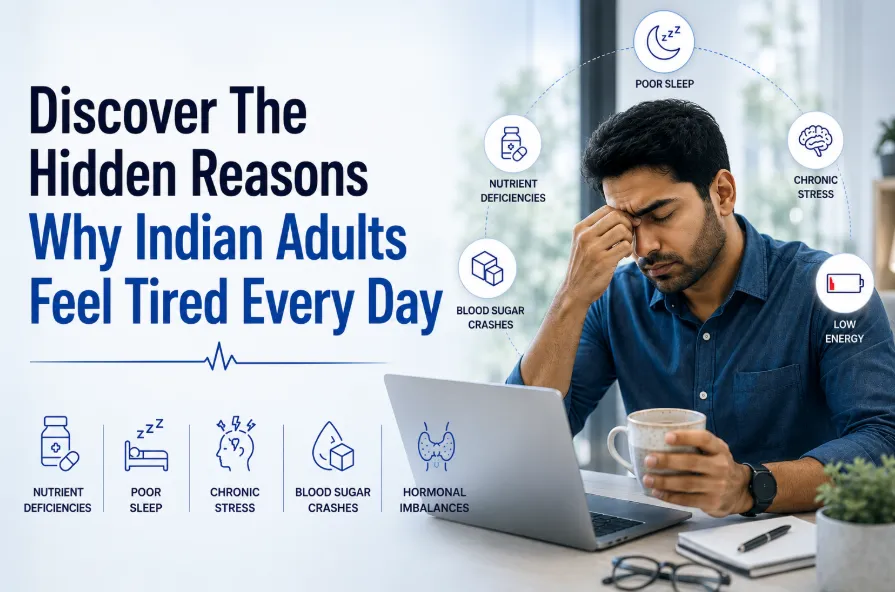
The real causes of low energy every day can include poor sleep quality, blood sugar fluctuations, vitamin deficiencies, hormonal imbalances, chronic stress, poor recovery, and lifestyle habits that gradually drain your energy reserves.
Understanding the root cause is the first step toward restoring your energy naturally and improving your overall health, productivity, and quality of life.
Why Am I Always Tired? Quick Answer
If you’re constantly asking yourself, “Why do I feel tired all the time?” the answer is usually not a lack of motivation or willpower.
Most people experience low energy because of a combination of factors such as:
- Poor sleep quality
- Blood sugar imbalances
- Nutrient deficiencies
- Chronic stress
- Hormonal issues
- Lack of physical activity
- Poor recovery habits
Rather than looking for a quick fix, identifying the root cause of fatigue is the key to achieving lasting energy.
Why Do So Many People Have Low Energy Every Day?
Low energy has become incredibly common, especially among working professionals, entrepreneurs, and busy adults.
Modern lifestyles create the perfect conditions for chronic fatigue.
The Normalization of Exhaustion
Many people believe feeling tired is simply part of adulthood.
They wake up exhausted, rely on caffeine to function, experience afternoon crashes, and assume it’s normal.
The problem is that fatigue becomes so common that people stop questioning it.
The Food Quality Problem
Modern diets often contain:
- Refined carbohydrates
- Sugary beverages
- Processed foods
- Low-quality snacks
While these foods provide quick energy, they can also lead to rapid blood sugar spikes followed by energy crashes.
Many people feel full but remain undernourished because their diet lacks sufficient protein and essential nutrients.
The Sleep Crisis
Getting enough sleep and getting quality sleep are not the same thing.
Many people spend 7–8 hours in bed but still wake up tired because of:
- Late-night screen use
- Stress and anxiety
- Poor sleep habits
- Irregular schedules
- Frequent sleep interruptions
Poor sleep quality is one of the biggest contributors to low energy every day.
Chronic Stress and Hustle Culture
Modern work culture often glorifies being busy.
Many people work long hours, answer messages late into the night, and rarely give themselves time to recover.
Chronic stress activates the body’s stress response for extended periods, gradually draining mental and physical energy.
What Are the Most Common Causes of Low Energy?
Low energy is rarely caused by a single issue.
Most people experience several energy drains simultaneously.
Blood Sugar Fluctuations
Many diets are heavily dependent on:
- Bread
- Biscuits
- Sugary tea
- Rice
- Refined flour products
These foods can cause blood sugar levels to rise quickly and then crash a few hours later.
Common signs include:
- Afternoon fatigue
- Brain fog
- Sugar cravings
- Difficulty concentrating
Protein Deficiency
Protein plays an essential role in:
- Muscle repair
- Hormone production
- Recovery
- Stable energy levels
Many people consume enough calories but not enough protein.
Low protein intake can contribute to:
- Fatigue
- Weakness
- Poor recovery
- Reduced focus
Vitamin and Mineral Deficiencies
One of the most common causes of low energy is nutrient deficiency.
Common deficiencies include:
Vitamin B12 Deficiency
Low B12 levels may cause:
- Fatigue
- Brain fog
- Weakness
- Poor concentration
Iron Deficiency
Iron deficiency can reduce oxygen delivery throughout the body.
Symptoms include:
- Constant tiredness
- Dizziness
- Shortness of breath
- Reduced physical performance
Vitamin D Deficiency
Despite abundant sunlight, vitamin D deficiency is extremely common.
Low vitamin D levels may contribute to:
- Fatigue
- Low mood
- Muscle weakness
- Reduced immunity
Why Do I Feel Tired All the Time Even After Sleeping?
Many people get enough hours of sleep but still feel exhausted.
This often happens because sleep quantity and sleep quality are different.
Common reasons include:
Poor Sleep Quality
Factors that affect sleep quality include:
- Late-night scrolling
- Excessive screen exposure
- Stress
- Alcohol consumption
- Poor sleep environment
Sleep Apnea
Some people stop breathing briefly during sleep without realizing it.
This condition can cause:
- Morning fatigue
- Headaches
- Poor concentration
- Excessive daytime sleepiness
Chronic Stress
Even while sleeping, a stressed nervous system may remain highly active.
This can reduce restorative sleep and leave you feeling exhausted despite spending enough time in bed.
Hormonal Imbalances and Fatigue
Hormones control how your body produces and uses energy.
When hormones become imbalanced, fatigue is often one of the first symptoms.
Thyroid Disorders
An underactive thyroid can slow metabolism and reduce energy production.
Symptoms may include:
- Fatigue
- Weight gain
- Brain fog
- Feeling cold frequently
Insulin Resistance
Insulin resistance affects how efficiently your body uses glucose for energy.
Common signs include:
- Fatigue after meals
- Increased hunger
- Belly fat accumulation
- Difficulty losing weight
Cortisol Imbalances
Chronic stress can disrupt cortisol levels.
This may lead to:
- Energy crashes
- Poor sleep
- Anxiety
- Burnout
Who Is Most Likely to Experience Chronic Fatigue?
Working Professionals
Long hours, stress, commuting, and poor work-life balance make fatigue extremely common among professionals.
Entrepreneurs and Business Owners
Business owners often sacrifice sleep and recovery in pursuit of growth.
Over time, this can result in:
- Burnout
- Poor focus
- Low productivity
- Reduced energy
Women
Women are more likely to experience:
- Iron deficiency
- Hormonal fluctuations
- Thyroid disorders
These factors can significantly impact energy levels.
Urban Workers
Modern city life often involves:
- Long commutes
- Indoor work
- Limited sunlight exposure
- High stress
These factors can contribute to persistent fatigue.
How to Increase Energy Naturally
If you want more energy, focus on fixing the root causes rather than relying on stimulants.
Prioritize Protein
Include protein in every meal.
Good options include:
- Eggs
- Fish
- Chicken
- Paneer
- Curd
- Dal
Protein supports stable energy and better recovery.
Improve Sleep Quality
Focus on:
- Consistent sleep times
- Reduced screen exposure before bed
- A dark sleeping environment
- Stress management
Spend Time in Morning Sunlight
Morning sunlight helps regulate:
- Circadian rhythm
- Energy production
- Sleep quality
- Hormonal balance
Aim for 15–20 minutes daily.
Move More Throughout the Day
Physical activity improves circulation and energy production.
Simple options include:
- Walking after meals
- Taking the stairs
- Stretching regularly
- Short movement breaks
Manage Stress
Chronic stress is one of the biggest energy drains.
Helpful strategies include:
- Meditation
- Deep breathing
- Journaling
- Setting work boundaries
- Spending time outdoors
When Should You Worry About Constant Fatigue?
You should consider medical evaluation if fatigue is accompanied by:
- Unexplained weight changes
- Persistent shortness of breath
- Severe weakness
- Dizziness
- Difficulty performing daily tasks
Basic tests may include:
- CBC
- Ferritin
- Vitamin B12
- Vitamin D
- Thyroid profile
- Blood sugar testing
The Real Reason You Feel Tired All the Time
Most people are not tired because they lack motivation.
They are tired because their bodies are struggling with poor recovery, nutrient deficiencies, chronic stress, hormonal imbalances, poor sleep, or unhealthy lifestyle habits.
The solution is not another cup of coffee.
The solution is identifying what is actually draining your energy and addressing the root cause.
When nutrition, sleep, recovery, movement, and stress management improve together, energy levels often improve dramatically.
Conclusion
Low energy is often the result of several hidden factors working together, from nutrient deficiencies and poor recovery to chronic stress and underlying health conditions. The key is not to chase quick fixes, but to identify what is actually draining your energy and address it at the source.
At WAYDA, Kapiil Guptta and the team help people uncover the root causes behind persistent fatigue through personalized lifestyle correction, nutrition guidance, recovery-focused routines, and sustainable habit changes. If you’re ready to understand why your energy feels low and build a healthier, more resilient body, WAYDA can help you take the first step.
Frequently Asked Questions
Why Am I Always Tired Even After Sleeping?
Poor sleep quality, stress, sleep disorders, nutrient deficiencies, and hormonal imbalances can cause fatigue even after a full night’s sleep.
What Causes Low Energy Every Day?
Common causes include poor sleep, stress, vitamin deficiencies, blood sugar fluctuations, hormonal issues, and inadequate recovery.
How Can I Increase Energy Naturally?
Focus on better sleep, higher protein intake, regular movement, stress management, hydration, and correcting nutrient deficiencies.
What Vitamin Deficiency Causes Fatigue?
Vitamin B12, vitamin D, and iron deficiencies are among the most common causes of fatigue.
Can Stress Cause Low Energy?
Yes. Chronic stress can disrupt hormones, impair recovery, reduce sleep quality, and significantly lower energy levels.
When Should I See a Doctor for Fatigue?
Related Reading
Struggling with low energy while trying to lose weight? Discover whether walking or the gym is the better choice for burning belly fat, boosting metabolism, and achieving long-term weight loss results.
👉 Read More: Walking vs Gym for Weight Loss: Which Is Better for Belly Fat and Long-Term Results?
Follow Kapiil Gupta on Instagram for daily health tips, expert insights, and practical strategies to improve your energy, nutrition, and overall performance.
👉 Follow on Instagram: https://instagram.com/kapiilguptta