

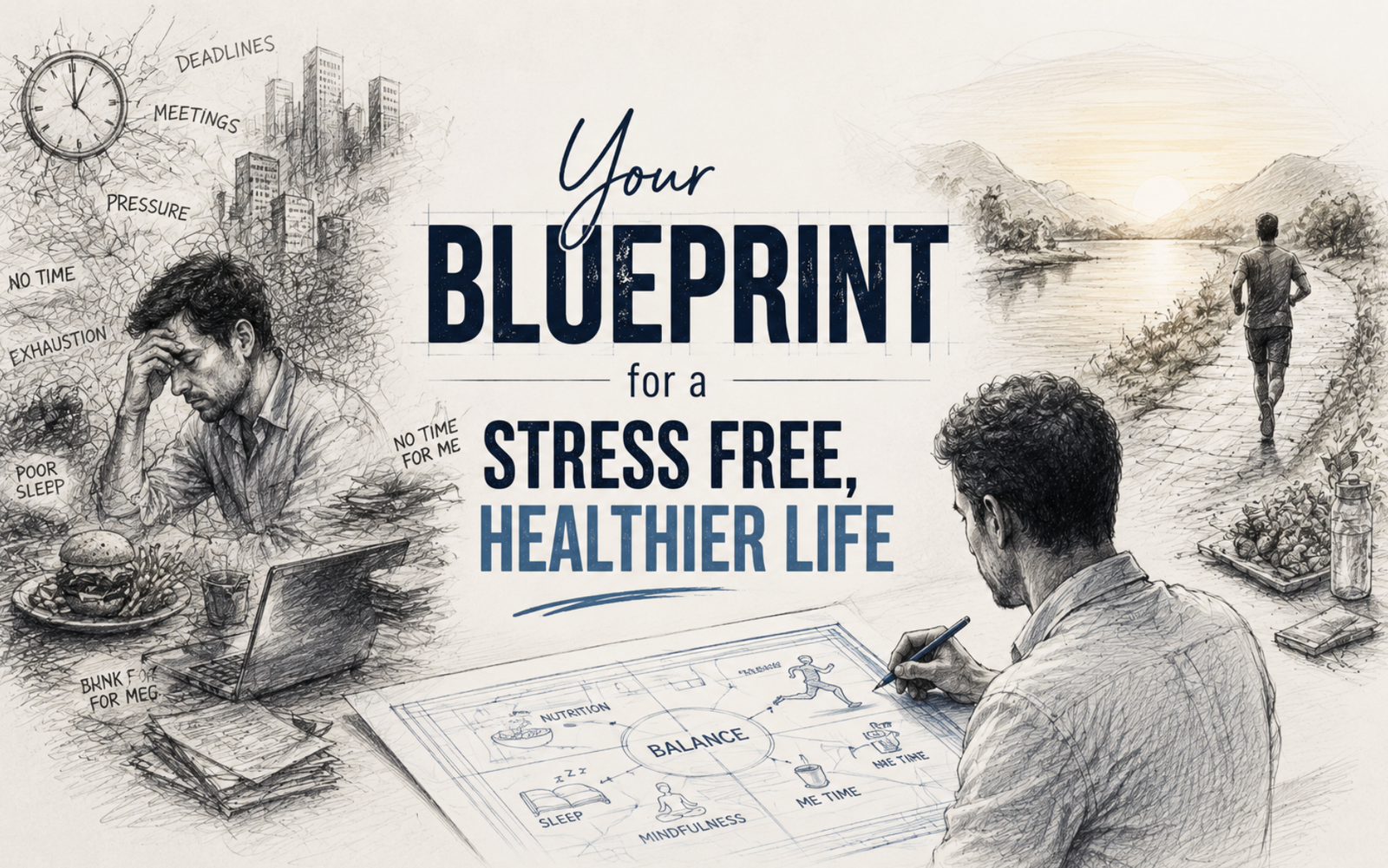

How to Reduce Stress Naturally and Live a Healthier Life
How Poor Health Is Silently Affecting Business Performance is something many business owners never think about until productivity starts dropping, decisions become harder, and growth begins to slow. Most leaders assume the problem lies in operations, strategy, or the market. In reality, poor physical and mental health can quietly affect leadership, employee performance, and long-term business success.
- Stress Is More Than a Busy Week: Chronic stress develops when your body’s stress response never fully switches off, affecting your energy, sleep, digestion, focus, and overall health.
- Recognising the signs early is the first step towards recovery.
- Modern Indian Life Is Fueling Chronic Stress: From demanding workplaces and constant digital connectivity to family responsibilities and societal expectations, multiple stressors often overlap, leaving little time for the mind and body to recover.
- Recovery Requires Both Awareness and Action: Identifying your stress patterns, eliminating “energy vampires,” understanding your Ayurvedic dosha, and recognising workplace burnout can help address the root causes of stress rather than just its symptoms.
- Small Daily Habits Build Long-Term Resilience: Consistent practices like breathwork, movement, nourishing foods, structured routines, quality sleep, mindfulness, and healthy boundaries work together to strengthen your body’s ability to handle stress naturally.
You’ve started recognising that you’re always stressed and not just experiencing acute stress from an upcoming exam, presentation, or deadline. The stress has become constant. It follows you to work, comes home with you, and even affects your sleep.
In this blog, we’ll combine the latest understanding of stress from modern science with the timeless principles of Ayurveda to help you understand why chronic stress develops, how it affects your body, and the practical steps you can take to build a calmer, healthier, and more resilient life.
What Is Actually Causing You Stress?
In India, stress is rarely just about work. Our culture places equal importance on career, family, relationships, finances, and social responsibilities. As a result, many people are balancing several roles at once, leaving very little time for recovery.
Common Causes of Stress in India:
- Work pressure, long working hours, and job insecurity
- Academic competition and career uncertainty
- Financial responsibilities and rising cost of living
- Family expectations and caregiving responsibilities
- Relationship challenges
- Social comparison through social media
- Poor sleep and an always-connected digital lifestyle
- Lack of work-life balance
Is Your Work Culture Stressful?
Work has changed dramatically over the last decade. Today, many Indian professionals are expected to be available beyond office hours, reply instantly to messages, juggle multiple projects, and constantly prove their productivity. The line between “work time” and “personal time” has become increasingly blurred.
This isn’t just affecting individuals, it has economic consequences too. The World Health Organization (WHO) estimates that India could suffer economic losses of up to US$1.03 trillion between 2012 and 2030 due to mental health conditions, largely through reduced productivity, absenteeism, and lower workforce participation. Stress is no longer just a personal health issue; it’s becoming a national productivity challenge.
Here are nine indications that you are stressed about work:
- You check your work emails before you’ve even gotten out of bed.
- You can’t enjoy dinner without looking at your phone.
- You feel guilty for taking a lunch break.
- Your smartwatch buzzes, and you instinctively think it’s work.
- You keep replaying a conversation with your manager long after the meeting is over.
- You postpone vacations because “it’s not the right time.”
- Even on Sundays, you’re thinking about Monday’s meetings.
- You finish one task, only to immediately worry about the next one.
- You lie in bed exhausted, but your mind keeps planning tomorrow.
If you nodded to several of these, you’re not alone.
India’s 90 Hour Work Culture
The first one to arrive is considered dedicated, and the last one to leave is considered hardworking. Somewhere along the way, being exhausted became a symbol of success.
Many professionals respond to burnout by working even harder, believing the solution is to “push through.”
Sunday Anxiety
This feeling, often called Sunday Anxiety or the Sunday Scaries, is more than simply “not liking Mondays.” It often signals that your mind never fully recovered from the previous week.Instead of ending the weekend feeling refreshed, you begin the next workweek already carrying yesterday’s stress.
This is the hidden cost of an always-on work culture. Work occupies your evenings, your weekends, and even your thoughts, your body never gets the recovery it needs. And without recovery, stress doesn’t disappear, it accumulates.
Five-Minute Stress Resets at Work
You don’t need an hour-long meditation session or a weekend retreat to reduce stress. In fact, your nervous system responds best to small, consistent recovery breaks throughout the day. These five simple habits can help interrupt the stress cycle before it turns into burnout.
1. Practice Box Breathing
This simple breathing technique helps shift your body from fight-or-flight mode to a calmer, more focused state. When you’re feeling overwhelmed before a meeting, presentation, or difficult conversation, pause for one minute.
- Inhale for 4 seconds.
- Hold for 4 seconds.
- Exhale for 4 seconds.
- Hold for 4 seconds.
Repeat for 4-5 rounds.
2. Stand Up Every Hour
Sitting continuously for hours reduces circulation, stiffens muscles, and contributes to mental fatigue. Set a reminder to stand up every hour. Walk to refill your water bottle, stretch your shoulders, or simply take a short walk around the office. Even 2–3 minutes of movement can refresh your mind and improve focus.
3. Take a Hydration Break
Feeling tired doesn’t always mean you need another cup of coffee. Mild dehydration can reduce concentration, increase fatigue, and even worsen headaches. Instead of reaching for caffeine every time you feel low on energy:
- Drink a glass of water.
- Take five slow, deep breaths.
- Step away from your desk for a minute.
Sometimes, your body needs hydration more than stimulation.
4. Give Your Eyes a Break
If you spend most of your day looking at a laptop, your eyes and brain rarely get a chance to rest. This simple habit reduces digital eye strain, relaxes your eye muscles, and gives your brain a brief mental reset.
Follow the 20-20-20 Rule:
- Every 20 minutes,
- Look at something 20 feet away,
- For at least 20 seconds.
5. Practice One Minute of Mindfulness
You don’t have to empty your mind or sit cross-legged to be mindful.
Simply pause. Close your laptop for one minute.
Take a few slow breaths and ask yourself:
- How am I feeling right now?
- Is my jaw clenched?
- Are my shoulders tense?
- Have I been holding my breath?
- What does my body need at this moment?
Sometimes, awareness is the first step towards recovery.
Identify and Eliminate Your Energy Vampire to Reduce Stress
When most people think about reducing stress, they immediately think about what they need to add to their routine: meditation, yoga, exercise, or healthier meals. While these habits are important, there’s another question that’s just as powerful:
What’s draining my energy every single day?
- You stay up late scrolling because you “need to unwind.”
- You skip breakfast because you’re rushing to work.
- You drink another cup of coffee to fight the afternoon slump.
- You postpone your workout because you’re too exhausted.
- You keep checking work messages even after office hours because you’re worried you’ll miss something.
These habits may feel helpful in the moment, but they slowly drain your energy and make it even harder for your body to recover. At WAYDA, we call these habits Energy Vampires.
An Energy Vampire is any habit that steals your energy, increases your stress, and keeps you stuck in a vicious cycle. The more stressed you feel, the more you rely on these habits. And the more you rely on them, the harder it becomes to break free from stress.
That’s why managing stress isn’t only about building healthy habits, it’s also about eliminating the unhealthy ones that are silently working against you.
(link for energy vampire identification)
Identify Your Dosha and Your Stress Type
One of Ayurveda’s most unique contributions is the concept of Doshas: three fundamental energies that govern how the body and mind function. While everyone has all three doshas, one or two are usually dominant. Stress tends to affect each type differently.
Vata: The Overthinker
Vata is associated with movement, creativity, and the nervous system. When balanced, Vata individuals are imaginative, energetic, and adaptable.
Eight signs to know if you are experiencing Vata Imbalance:
- Racing thoughts
- Anxiety
- Restlessness
- Difficulty sleeping
- Dry skin
- Constipation
- Feeling overwhelmed
- Difficulty making decisions
They benefit from routine, warmth, grounding foods, slow breathing, gentle yoga, and regular sleep schedules.
Pitta: The Perfectionist
Pitta governs metabolism, transformation, and ambition. Balanced Pitta types are focused, driven, and productive.
Seven signs to know if you are experiencing Pitta Imbalance:
- Irritable
- Impatient
- Angry
- Highly critical
- Work-obsessed
- Competitive
- Prone to acidity or headaches
Cooling foods, nature, meditation, and learning to slow down are particularly important for Pitta.
Kapha: The Silent Carrier
Kapha represents stability, strength, and nourishment. Balanced Kapha individuals are calm, loyal, and resilient.
Six signs to know if you are experiencing Kapha Imbalance:
- Emotional eating
- Withdrawal
- Low motivation
- Excessive sleep
- Weight gain
- Feeling emotionally “stuck”
Kapha benefits from invigorating movement, stimulating routines, and social connection.
The 5 Natural Pillars of Stress Reduction
Modern science shows that regular movement, quality sleep, mindful breathing, and healthy nutrition improve the body’s response to stress. Ayurveda has advocated these same principles for thousands of years through a holistic lifestyle that focuses on restoring balance rather than simply relieving symptoms.
Together, these five pillars strengthen your body’s ability to handle stress, not just today, but for years to come.
Pillar 1: Pranayama & Breathwork: Your Free, Instant Stress Reset
Why It Matters
Your breath is the fastest way to communicate with your nervous system. When you’re stressed, your breathing becomes rapid and shallow, keeping your body in fight-or-flight mode. Slow, intentional breathing activates the parasympathetic nervous system, helping lower your heart rate, reduce cortisol, and bring your body back into a state of calm.
Try These Techniques
Nadi Shodhana (Alternate Nostril Breathing)
- Balances the nervous system
- Improves focus and mental clarity
- Reduces stress and anxiety
How to practice: Alternate breathing through each nostril for 5-10 minutes, preferably in the morning or before a stressful meeting.
Bhramari Pranayama (Humming Bee Breath)
- Relaxes the mind
- Stimulates the vagus nerve
- Helps reduce anxiety and mental fatigue
4-7-8 Breathing
- Inhale for 4 seconds
- Hold for 7 seconds
- Exhale slowly for 8 seconds
Repeat 4-8 rounds, especially before bed or during stressful situations.
Pillar 2: Movement That Fits the Indian Lifestyle
Why It Matters
Exercise isn’t just about burning calories. Movement helps your body metabolise stress hormones, releases endorphins, improves circulation, and boosts energy.
Include These Activities
Morning Walks (20–30 minutes)
Benefits:
- Reduces stress hormones
- Improves mood
- Increases energy
- Regulates your body clock through sunlight exposure
Surya Namaskar
Just 6–12 rounds every morning can improve:
- Flexibility
- Blood circulation
- Posture
- Mental focus
Yoga for Stress Relief
Try these calming poses:
- Balasana (Child’s Pose): Relaxes the back and nervous system.
- Viparita Karani (Legs-Up-the-Wall Pose): Encourages relaxation after work.
- Cat-Cow Stretch: Releases tension in the neck and spine.
- Gentle Evening Stretching: Helps prepare the body for restful sleep.
Pillar 3: The Stress-Fighting Indian Kitchen
Why It Matters
Food influences far more than hunger. It affects your hormones, gut health, inflammation, and stress response. When stress becomes chronic, cortisol stays elevated, increasing the risk of fatigue, poor sleep, sugar cravings, weight gain, and difficulty concentrating.
Include Adaptogens
These Ayurvedic herbs help your body adapt to stress.
Ashwagandha
- Supports healthy cortisol levels
- Improves resilience to stress
Tulsi (Holy Basil)
- Rich in antioxidants
- Supports emotional wellbeing
- May help reduce anxiety
Eat More Of
- Whole grains (millets, brown rice, oats)
- Seasonal fruits and vegetables
- Lentils and legumes
- Nuts and seeds
- Healthy fats
Traditional Indian Foods That Support Recovery
- Ashwagandha Milk: Traditionally consumed to promote recovery and better sleep.
- Tulsi Tea: A calming herbal drink for daily stress support.
- Haldi Doodh (Golden Milk): Curcumin helps combat inflammation.
- Magnesium-rich foods: Almonds, spinach, pumpkin seeds, beans, and dark chocolate.
- Water: Even mild dehydration can worsen fatigue and poor concentration.
Pillar 4: The Healing Power of Dincharya
Why It Matters
Ayurveda’s concept of Dincharya (daily routine) creates predictable rhythms that strengthen both the mind and body. Combined with Sadvritta (healthy behavioural practices), it helps improve resilience against everyday stress.
Build a Daily Rhythm
- Wake up at the same time every day
- Get morning sunlight within the first hour of waking
- Eat meals at regular times
- Create a relaxing evening routine
- Prioritise 7-9 hours of quality sleep
Small daily routines have a bigger long-term impact than occasional healthy choices.
Pillar 5: Mind Practices for Modern India
Why It Matters
Today’s biggest challenge isn’t a lack of information, it’s a lack of mental recovery. Emails, social media, notifications, and endless responsibilities keep our brains constantly stimulated. Thus, without regular pauses, stress continues to build.
Practice These Daily Habits
Meditation
Spend 10 minutes daily observing your breath or practising guided meditation.
Gratitude
Every night, write down three things you’re grateful for. This simple practice shifts your attention away from stress and towards positive experiences.
Digital Boundaries
Protect your attention by:
- Avoiding your phone immediately after waking
- Turning off unnecessary notifications
- Keeping phones away during meals
- Avoiding screens one hour before bed
Learn to Say No
Many of us say “yes” because we don’t want to disappoint others, miss an opportunity, or appear unhelpful. But every commitment comes at a cost. The more you say yes to things that don’t truly matter, the less time and energy you have for the people, priorities, and activities that do.
Learning to set healthy boundaries isn’t selfish, it’s an essential part of protecting your mental wellbeing. Saying “no” to unnecessary commitments often means saying “yes” to better sleep, lower stress, improved focus, and a healthier, more balanced life.
Conclusion
Chronic stress isn’t something you simply “get used to”, it’s something your body continuously responds to. While you can’t eliminate every source of stress, you can change how your body reacts and recovers. By combining evidence-based practices with the timeless principles of Ayurveda, you can build greater resilience, improve your energy, and create a healthier, more balanced life.
At WAYDA, Kapiil Guptta and the team help individuals uncover the root causes of chronic stress through personalised lifestyle coaching, stress management, nutrition, sleep optimisation, movement, and sustainable habit building. If you’re ready to move beyond quick fixes and take control of your health naturally, WAYDA can help you begin your journey towards lasting wellbeing.
Frequently Asked Questions
How to decrease stress?
To quickly decrease stress, activate your body’s relaxation response with box breathing: inhale for 4 seconds, hold for 4 seconds, exhale for 4 seconds, and hold for 4 seconds. Repeat this cycle 4 to 6 times to rapidly quiet a racing mind.
What are 7 signs of stress?
Stress can manifest in various ways, often affecting your mood, body, and behavior. Common signs include headaches, constant fatigue, trouble sleeping, muscle tension, stomach or digestive issues, heart palpitations, and increased irritability or anxiety. Recognizing these signs early can help you manage your stress levels effectively.
What are the 5 C’s of stress management?
The “5 C’s of stress management” is a psychological framework designed to help build emotional resilience and navigate life’s challenges. The core principles are Control, Commitment, Challenge, Connection, and Confidence.
How to know if stress is high?
Your body sounds alarms when stress hits high levels. Watch for persistent physical or emotional shifts like frequent headaches, jaw clenching, or unexplained muscle tension. You might also notice insomnia, chronic fatigue, digestive issues like bloating or diarrhea, a short temper, and ‘brain fog’.
What are the main causes of stress?
Stress is the body’s natural response to any demand, challenge, or perceived threat. The main causes—often called stressors—typically stem from major life changes, financial pressures, workplace demands, and personal relationships. Because everyone’s threshold differs, stress is highly personal and influenced by individual psychology.
👉 Read More: The Truth About Intermittent Fasting for Indians
Follow Kapiil Gupta on Instagram for practical health tips, executive wellness strategies, and evidence-based guidance to improve your energy, leadership, and business performance.
👉 Instagram: https://instagram.com/kapiilguptta

Leave a Reply