

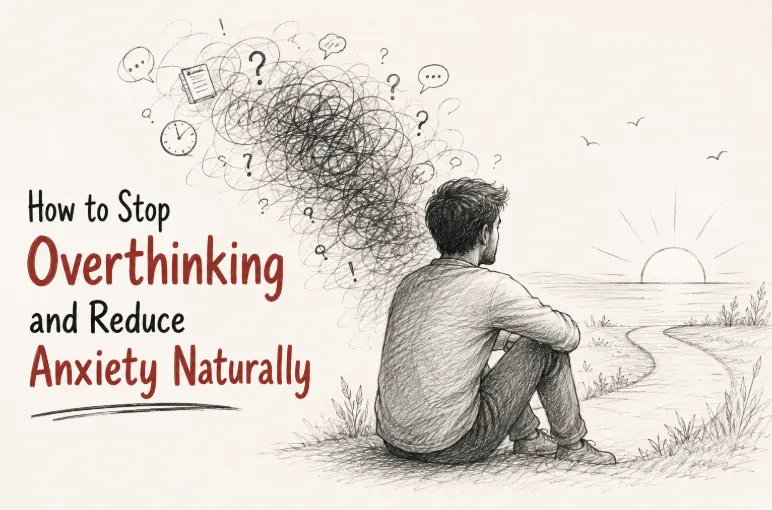

How to Stop Overthinking and Reduce Anxiety Naturally
- Overthinking Often Hides in Everyday Habits: Replaying conversations, anticipating problems and struggling to switch off can signal that thoughts are becoming repetitive rather than productive.
- Emotions Drive the Thought Loop: Uncertainty, fear and a need for control can sit beneath overthinking, making it important to recognise triggers and understand the emotional root of recurring thoughts.
- Facts Create Mental Clarity: Separating what actually happened from assumptions and fearful predictions helps you respond to reality instead of reacting to every possibility your mind creates.
- Small Habits Create More Mental Space: Organising responsibilities, taking breaks, enjoying hobbies, focusing on what you can control and following a calming night routine can help build a healthier relationship with your thoughts.
You close your laptop after a long day and get into bed, but your mind refuses to switch off. You replay conversations, plan tomorrow’s decisions, check emails, and worry about what could go wrong. What may feel like responsibility can quickly turn into exhausting overthinking.
When your brain keeps working even after the day ends, you never truly get a chance to rest. Over time, this can affect your sleep, focus, and energy. In this blog, we’ll explore the symptoms of overthinking, why it happens, and how to manage your thoughts better.
Signs You Are Overthinking
Overthinking is not necessarily characterized by continuous worries all the time. At times, this vice manifests itself through routines that seem very normal, especially during those times when one is trying to manage multiple things including work and family life. One might not realize he/she is overthinking until it interferes with his/her sleep or decision-making skills.
Twelve signs you may be overthinking:
- You replay conversations in your head long after they are over.
- You keep wondering what someone really meant by a message or comment.
- You imagine everything that could go wrong before anything has actually happened.
- You keep checking your phone because you are waiting for a reply.
- You struggle to make simple decisions because you keep considering every possible outcome.
- You revisit decisions you have already made and wonder if you should have done something differently.
- You mentally prepare for difficult conversations that may never happen.
- You worry about tomorrow while you are supposed to be resting today.
- You look for reassurance but still do not feel completely certain.
- You are physically present with your family, but your mind is somewhere else.
- You lie in bed thinking about unfinished work instead of sleeping.
- You take one small problem and start imagining a much bigger future scenario.
Kapiil Guptta’s clients who seem very organised and successful from outside but still carry their unresolved thoughts after the working day is over. The issue is not in thinking much, the important thing is what makes some thoughts provoke such an intense emotional reaction.
Find Your Emotional Root Cause Of Anxiety
Anxiety does not necessarily stem from the thought itself. There must be something that happens before the thought occurs. The thought arises out of a situation in which there is fear or discomfort or some other such emotion, and the mind starts thinking about it because the thought seems hard to tolerate. As a result, the mind tends to analyse the thought further in an attempt to find some kind of certainty or control.
For example, consider a businessman waiting for an important client to reply. All the client has done is not reply yet. But the uncertainty becomes: “What if I lose my client?” This is a thought that generates fear and makes the businessman check his phone continuously while imagining all sorts of scenarios in his mind. The more one searches for certainty, the more he will end up doing. The idea here is not to block thoughts but to get to the root of them.
Find Your Triggers
First of all, pay attention to the thing that occurs right before you experience anxiety. Is it uncertainty in your business? A tough conversation? An issue related to your health? Money-related problems? Relationship issues? Or just something that is beyond your control?
Instead of finding a solution for your thought instantly, stop and ask yourself a simple question: “What was happening right before I started overthinking?”
In such a way, you can detect the patterns, which will allow you to notice that overthinking comes after you receive unexpected feedback, make a decision, or are faced with the situation when you cannot affect the outcome.
Someone may start checking work emails late at night, replaying difficult conversations, or mentally planning the next day before going to sleep. Kapil Guptta has witnessed how these small habits can gradually become patterns that keep the mind constantly switched on. A person looks like a very confident and competent one who deals with everything externally but is always ready internally for another problem.
Check Your Emotional Root Cause
Wondering about what really causes your overthinking? Check out the WAYDA Emotional Root Cause Analyzer for digging deeper into the thought and revealing the emotion associated with it.
It will allow you to think about what has happened, what your immediate reaction was, which emotion was triggered by it and what you are afraid of in future. It is not a clinical evaluation, but a way of becoming more self-aware regarding the patterns of your recurring thoughts.
After identifying the emotional cause of your thoughts, you can finally respond to the situation, not the scenarios predicted by your mind.
5 Ways To Stop Overthinking And Reduce Anxiety
- Separate Facts From Fear
After realizing what causes you to overthink, the next step is not taking each thought as an absolute truth. In a state of worry, the brain shifts swiftly from the reality of what happened to the meaning that was created about the situation and to fears about what could happen in the future.
In case you find yourself in such a situation, the first thing you should do is to write down what happened and not add anything else to it. The fact is the situation as it is; the assumption is what it might mean; and the fear is what it may cause. For instance, a diabetic patient might observe that his blood glucose level is higher than the norm. The fact is that the level is higher than the norm. The assumption can be, “There must be something wrong.” And the fear can become, “I will get worse.”
- Get Your Life Organised
Sometimes overthinking just gets even worse when everything needs to be handled in the mind. For instance, a job you haven’t completed, an impending meeting, a personal issue you forget about from time to time, and a conversation you have to have with your loved ones are all things that vie for your focus simultaneously.
Being organized doesn’t have anything to do with setting up an overly complex productivity system. It involves having your thoughts and responsibilities handled somewhere else aside from your mind.
- Put It on Paper
Once you see yourself thinking the same thoughts over and over again, write them down. It can help you to get a better perspective on the situation.
Firstly, you should ask yourself the following questions: What has to be done? What can wait? What has to be done right away? You don’t necessarily need to deal with everything at once. Sometimes, just knowing what you need to attend to right away and what can be left till later will help to lessen the load on your mind.
This strategy works especially well for entrepreneurs because of the fact that there are numerous decisions that have to be made daily, and it is quite possible that your mind won’t give up thinking about those even after work hours.
- Use a Health Tracker
Organisation doesn’t pertain only to one’s job or study, but it is possible for even your healthy routine to become difficult to organise when you are trying to memorize everything in your head. The Health Tracker by WAYDA will assist you in registering all of your habits and observing any trends.
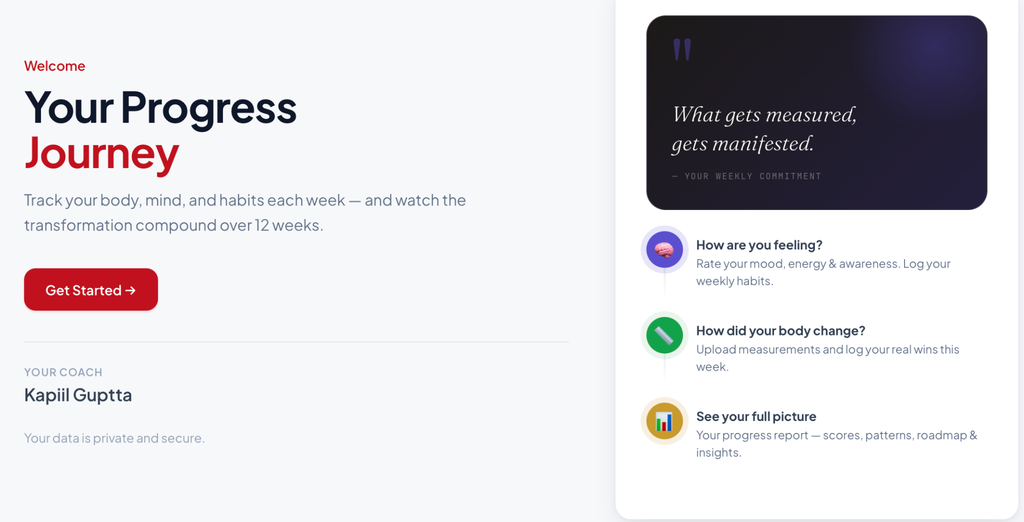
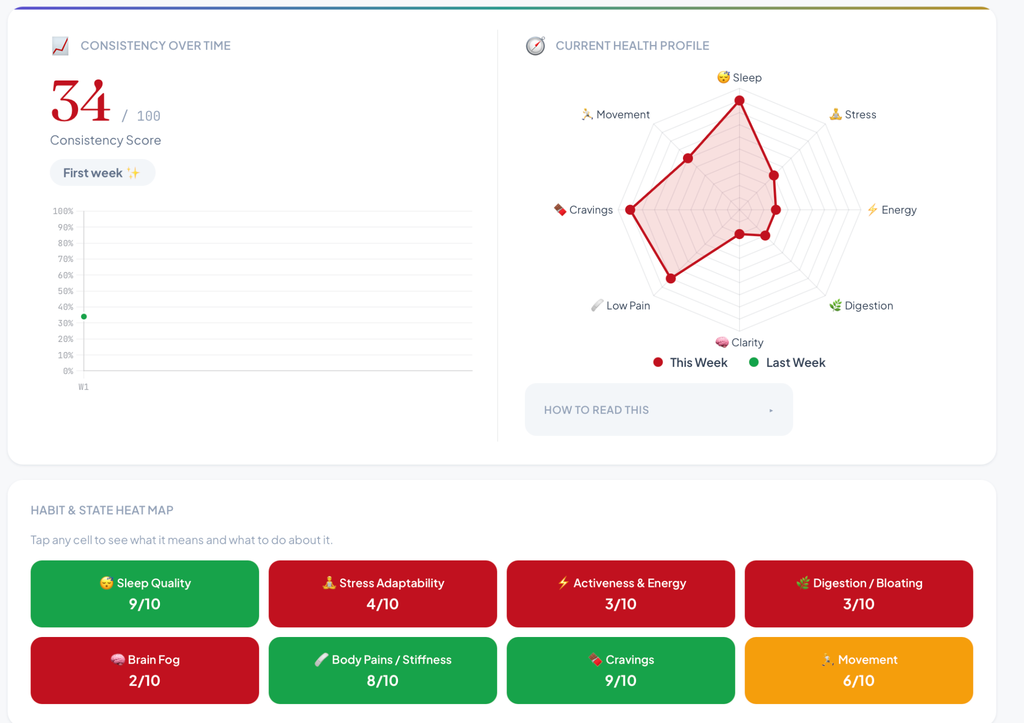
You will be able to use this tracker for registering such habits as sleeping, eating, exercising, and being stressed out. Rather than basing your health routine organisation on the information that you have in your mind, you can now check what you have done.
Remember that the aim of this tracker is not diagnostic, it helps one realise certain trends in one’s life routine. And for a person who believes his/her life has become too chaotic, having an organisational tool will bring some more order into the routine.
- Calm Your Mind Before It Takes Over
Once you recognise your triggers and learn to separate facts from fearful predictions, the next step is learning how to create a pause when your mind starts becoming overwhelmed. You do not always need to solve the thought immediately. Sometimes, the first step is to calm yourself enough to respond to it more clearly.
- Try Meditation
Meditation can help create a small pause between a thought appearing and your immediate reaction to it. Instead of following every thought that enters your mind, you practise noticing it and bringing your attention back to the present moment.
Research on mindfulness-based interventions suggests that they may help reduce symptoms of anxiety for some people, although the effects can vary depending on the practice, the individual and the circumstances. Meditation should therefore be viewed as one supportive practice rather than a guaranteed solution.
If you are new to meditation, start small. A few quiet minutes of sitting, observing your breathing or following a guided practice can be enough to begin developing the habit of noticing your thoughts without immediately getting pulled into them.
- Use Antarman
If being still is hard, then guidance might be helpful as it provides a focus for one’s mind. Antaryatra, which is a WAYDA practice offered by Kapiil Guptta, can be employed for guided introspection and relaxation that will enable you to make such a pause amid your daily hustle and bustle.
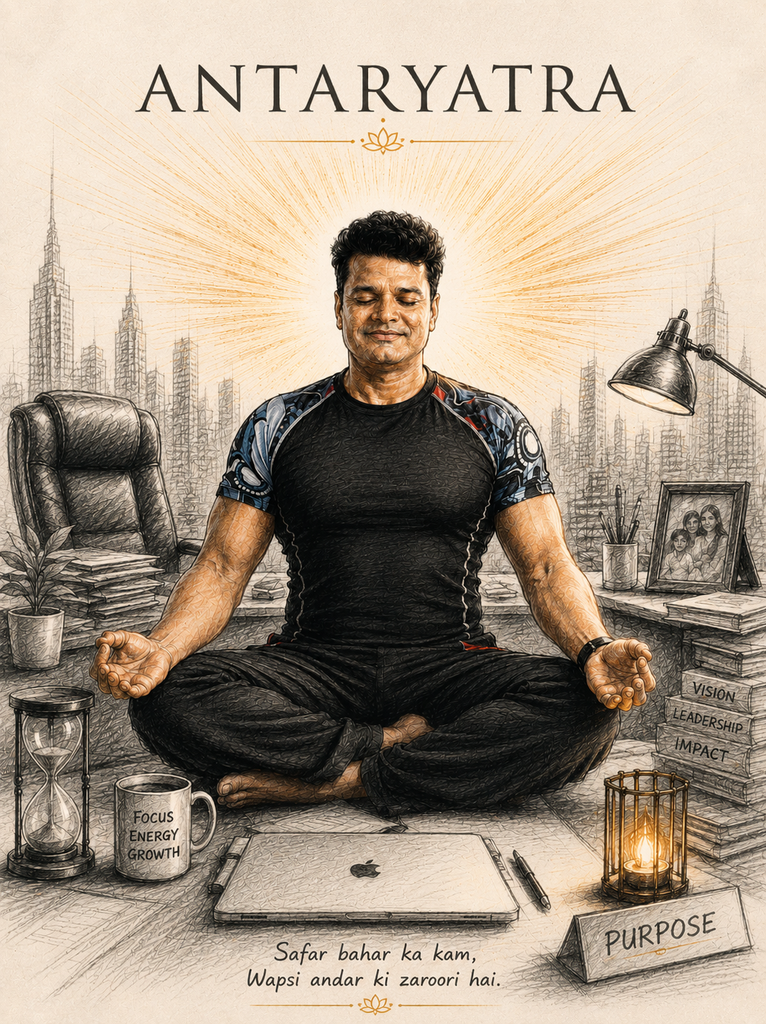
The idea here is not to try to push thoughts out of your mind as this is impossible. Rather, you get an opportunity to distance yourself from them and to look inside yourself. This will be especially beneficial for someone whose life revolves around decision-making, problem-solving and dealing with others.
- Slow Down Your Breathing
When you find yourself getting tensed up or in a pattern of thinking, one of the simplest ways of bringing your awareness back into the present moment can be slowing down your breathing intentionally.
All you have to do is breathe slowly and be aware of the process of breathing itself instead of focusing on the thought that is occupying your mind. You do not have to do forced deep breathing or hold your breath for too long. The idea here is just to slow down and give yourself some time before acting. It is all about pausing and not a quick fix.
- Take a Break From Work
When your workday is filled with meetings, calls, decisions and constant notifications, it can be difficult for your mind to recognise when one task has actually ended. Moving directly from one demand to another keeps your attention occupied without giving you a chance to reset.
Research has linked regular physical activity with better mental wellbeing, and even brief periods of movement can provide a useful break from prolonged sitting and continuous work. A short walk during the workday can give you a genuine change of environment. You are no longer looking at the same screen, responding to the same notifications or thinking about the next task on your list.
It doesn’t have to be an extended journey but should just involve stepping out of your work for a few moments and giving your mind the chance to drift elsewhere. You could take a walk inside or even outside your workplace depending on what you want to do during that brief break.
While working with Kapiil Guptta, there was one business owner who had grown accustomed to jumping from one call into another, and even his lunch would be taken while sitting in front of the computer. There was almost no gap left for anything else to happen. All it took was for him to walk briefly between blocks of work.
- Build a Wind-Down Routine
For someone who spends the day making decisions and solving problems, switching from work mode to sleep mode does not always happen automatically. You may close your laptop, but your mind can continue working through unfinished tasks, tomorrow’s meetings and problems that have not been solved yet.
A wind-down routine creates a clear transition between the demands of the day and the time when you are ready to rest. Research on sleep hygiene supports the importance of consistent sleep routines and habits that help create a suitable environment for sleep.
- Create a Night Boundary
Define your boundary where your workday stops. You might have to stop talking about your work, shut down your laptop and avoid unnecessary computer exposure prior to sleeping.
Your objective is not to expect your mind to turn itself off immediately after your work stops. It is possible for a repetitive process to trigger a cue for your brain that tells it when it is time to shut down.
It is particularly important for a business owner who always needs to attend to one more matter in his schedule to have such a boundary set up. There will always be another email to read or another problem to solve.
- Try Sukoon Tea and Foot Oiling
According to Kapiil Guptta, one should consider including some relaxing activities in their evening routine such as Sukoon Tea and oiling of feet. It is more of an evening ritual which can be used to relax as opposed to being used as an anti-anxiety ritual. The importance of the ritual is that it offers you a chance to relax instead of jumping from work straight to bed. The ritual signals your mind that the day is coming to an end. You do not have to deal with anything else anymore. You are just supposed to relax.
- Journal for the Next Day
In case you are constantly thinking about these things that you did not finish while you go to sleep at night, it is best to jot these things down before sleeping. It is not necessary for you to solve them, but simply to note down whatever you need to focus on the following morning.
You may jot down the task, what the next action will be and also other things that you do not want to forget. Once it is down in writing, you need not continuously remind yourself of it just to ensure that you do not forget it. Now, you have to tell yourself that “I have noted this. I do not have to solve this tonight.”
Conclusion
Overthinking is not something that should rule your entire day and even continue late into the evening. Once you know what sets off your mind, learn to distinguish between facts and fears and concentrate only on things you can control. Simple practices, like taking pauses, indulging in some hobby, relaxing your mind and following your regular wind-down process can slowly give you room for clear thinking and tranquility.
In case you feel like there’s always a mountain of work, responsibilities and ideas floating in your head, Kapiil Guptta can help you develop better habits, which will allow you to conserve your energy and stay focused and healthy. Having helped 1,000+ entrepreneurs over his career, Kapiil Guptta knows very well what pressures you may be under and how to start a healthier lifestyle for yourself.
Frequently Asked Questions
How to calm anxiety?
To calm anxiety fast, use deep diaphragmatic breathing, try the 5-4-3-2-1 grounding method to engage your senses, splash cold water on your face to slow your heart rate, or take a brisk walk to release physical tension.
How to accept anxiety and not fight it?
Accepting anxiety instead of fighting it means dropping the mental tug-of-war. When you stop resisting the physical feelings and racing thoughts, you send a signal to your brain that you are safe. What you resist persists, but what you allow begins to lose its power.
What are some ways to treat anxiety at home?
You can treat mild anxiety at home using lifestyle changes and quick relief methods like deep breathing exercises, regular physical exercise, mindfulness meditation, limiting caffeine, and practicing good sleep hygiene. While these strategies help manage everyday stress, severe anxiety may still require professional care.
How to reduce stress and anxiety?
To reduce stress and anxiety, practice deep breathing, move your body daily through exercise or walks, limit caffeine and screen time, maintain a consistent sleep routine, and talk through your worries with supportive people.
What drinks help reduce anxiety?
Certain non-alcoholic beverages can help soothe the nervous system and reduce stress. The best options include chamomile tea containing calming apigenin, green tea or matcha providing relaxing L-theanine, probiotic-rich kefir or kombucha for gut health, and plain water to prevent dehydration-induced tension.
Can Health Coaching Help With Overthinking and Stress?
If constant overthinking, work pressure, poor sleep or mental exhaustion are affecting your energy and performance, personalised health coaching can help you identify lifestyle patterns and build healthier routines around your work and personal life.
Work with Kapiil Guptta to create a personalised approach to better energy, stress management, sleep and overall health.
Read More: Decision Fatigue: Why Successful People Make Bad Decisions
Follow Kapiil Gupta on Instagram for practical health tips, executive wellness strategies, and evidence-based guidance to improve your energy, leadership, and business performance.
Instagram: https://instagram.com/kapiilguptta

Leave a Reply