


Signs of High Cortisol Levels
- Cortisol Supports Everyday Health: Cortisol is an essential hormone that regulates energy, metabolism, sleep, and the body’s stress response. Problems usually arise when stress becomes chronic and cortisol remains elevated instead of following its natural daily rhythm.
- Persistent Stress Has Wide-Ranging Effects: Poor sleep, irregular meals, chronic work stress, certain medical conditions, and prolonged recovery gaps can contribute to high cortisol, leading to a combination of physical, mental, and emotional symptoms that often overlap with other health conditions.
- Long-Term Cortisol Elevation Can Affect Overall Wellbeing: Persistently high cortisol may increase the risk of metabolic, cardiovascular, immune, bone, and mental health problems, making proper medical evaluation important since symptoms alone cannot confirm high cortisol.
- Recovery Comes From Consistent Daily Habits: Supporting healthy cortisol levels is less about quick fixes and more about improving sleep, maintaining balanced nutrition, managing stress, and addressing the root causes of chronic stress with sustainable lifestyle changes.
Feeling tired despite getting enough sleep? Struggling to stay focused during the day or wondering why you’re constantly craving sugary foods? These everyday changes are often blamed on a hectic lifestyle, but they can sometimes be your body’s way of telling you that something is out of balance. One factor that has gained a lot of attention in recent years is high cortisol, although it is often misunderstood.
Having worked with more than 1,000 business owners, Kapiil Guptta has found that many people ignore these early changes until they begin affecting their work, health, and quality of life. In this blog, you’ll learn what cortisol is, what causes high cortisol, its common signs and health risks, and practical ways to support healthy cortisol levels. Since many of these symptoms overlap with other medical conditions, this information should not be used to self-diagnose, and persistent symptoms should always be evaluated by a qualified healthcare professional.
What Is Cortisol?
Cortisol is a hormone produced by the adrenal glands, two small glands located on top of your kidneys. It is often called the “stress hormone” because your body releases more of it during stressful situations. However, cortisol does much more than help you cope with stress. It plays an essential role in keeping your body functioning normally every day.
Your body relies on cortisol to regulate several important processes. It helps you wake up feeling alert in the morning, maintains healthy blood sugar levels between meals, supports your metabolism by helping convert food into energy, regulates blood pressure, controls inflammation, and helps your body respond to physical and emotional challenges. Without cortisol, many of these essential functions would not work as they should.
Cortisol also follows a natural 24-hour cycle known as the circadian rhythm. In healthy individuals, cortisol levels begin to rise before waking, reach their highest point in the early morning, and gradually decline throughout the day before reaching their lowest levels at night. According to the National Institutes of Health and the Endocrine Society, this daily rhythm is essential for maintaining healthy sleep, energy levels, and overall wellbeing. Problems are more likely to arise when cortisol remains elevated for long periods or its normal rhythm becomes disrupted, rather than from temporary increases during everyday activities.
Is Having High Cortisol Always Bad?
No. Cortisol is not a “bad” hormone. In fact, your body needs it every day to function properly. Temporary increases in cortisol are a normal part of how your body responds to different situations. They help your body prepare for short-term physical or mental demands before returning to normal.
Some everyday situations that naturally increase cortisol include:
- Exercising or playing sports
- Recovering from an illness or injury
- Giving an important presentation
- Meeting a tight deadline at work
- Responding to an unexpected challenge
In these situations, cortisol helps provide the energy and focus needed to perform at your best. Once the event has passed, cortisol levels typically return to their normal daily pattern.
The concern begins when stress becomes constant and your body has little opportunity to recover. Several factors can keep the body’s stress response activated for extended periods, including:
- Long working hours
- Poor sleep
- Ongoing emotional stress
- Irregular eating habits
- Certain medical conditions
Over time, these factors may disrupt cortisol’s natural rhythm and affect your sleep, energy levels, metabolism, and overall wellbeing.
Understanding what causes cortisol to remain elevated is just as important as recognising its symptoms. Identifying the lifestyle habits, medical conditions, or ongoing sources of stress behind persistent cortisol elevation is the first step towards restoring a healthy cortisol balance.
What Causes High Cortisol?
High cortisol is caused when the body is exposed to ongoing physical or emotional stress without enough time to recover. While temporary increases in cortisol are a normal part of life, certain lifestyle habits and medical conditions can keep the body’s stress response activated for longer than it should.
- Habits
The choices you make every day can influence how your body regulates cortisol. An occasional late night or stressful week is unlikely to have lasting effects. However, when these habits become part of your routine, they may disrupt your body’s natural stress response over time.
Seven common lifestyle factors that may contribute to persistently elevated cortisol include:
- Poor sleep or an inconsistent sleep schedule
- Chronic work-related stress
- Excess caffeine, especially on an empty stomach
- Skipping meals or eating at irregular times
- Very restrictive dieting
- Overtraining without adequate recovery
- Shift work or frequently changing sleep schedules
This is something Kapiil Guptta has seen repeatedly while working with business owners. One client who was struggling with high cortisol initially believed work stress was the only problem. A closer look at his daily routine revealed irregular meals, poor sleep, and very little recovery time. Addressing these habits became an important part of helping him feel more energetic and resilient.
2. Medical Conditions
In some cases, high cortisol is caused by an underlying medical condition rather than lifestyle factors. These include:
- Cushing syndrome, a condition caused by prolonged exposure to high cortisol levels
- Pituitary gland disorders, which can increase the production of hormones that stimulate cortisol release
- Adrenal gland disorders, including adrenal tumours that produce excess cortisol
- Long-term use of corticosteroid medications, such as prednisone, which are commonly prescribed to treat asthma, autoimmune diseases, and inflammatory conditions
Whether high cortisol is linked to lifestyle factors or an underlying medical condition, prolonged cortisol elevation can affect your health in many ways. Understanding the signs of high cortisol can help you recognise when persistent symptoms deserve medical attention.
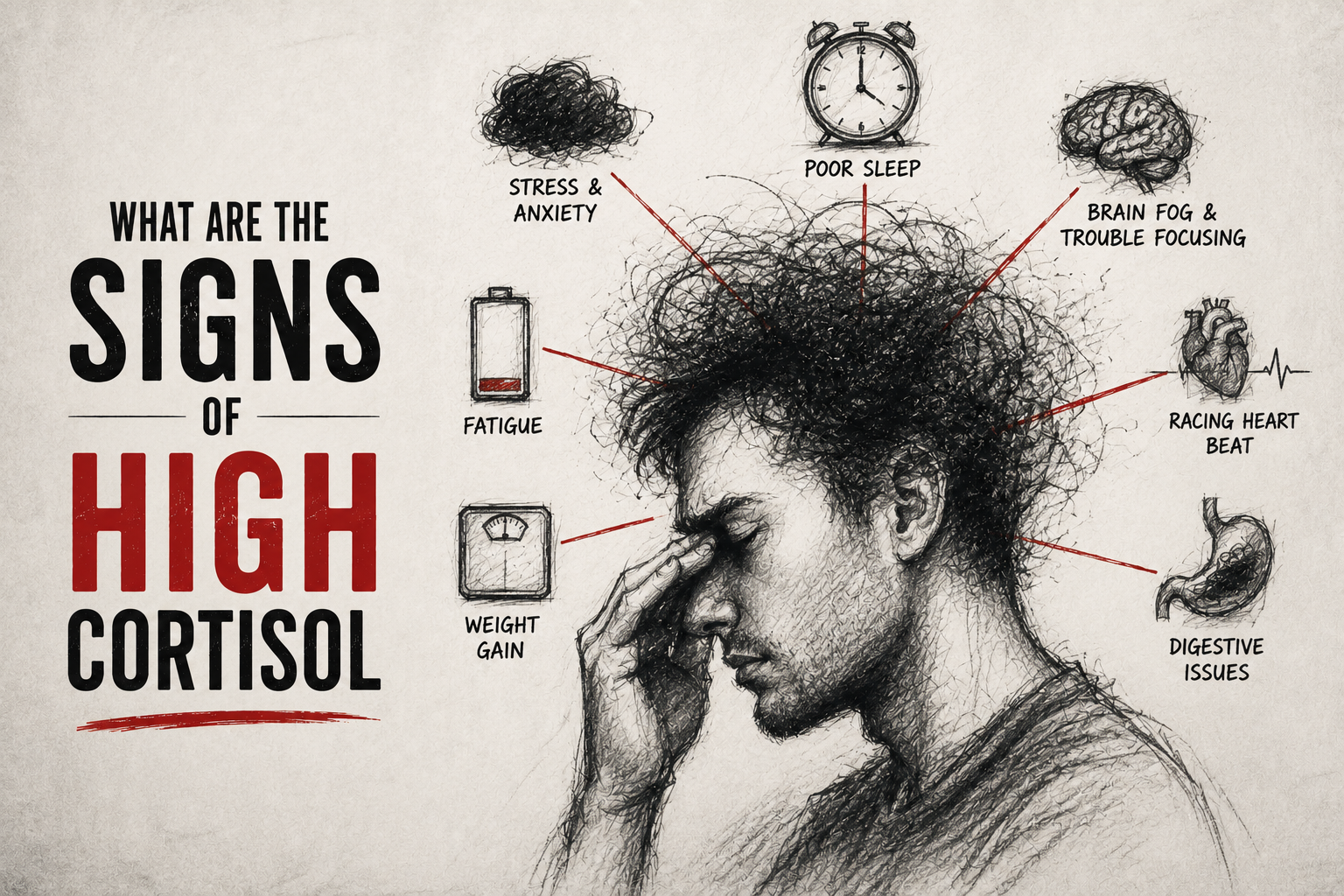
What Are the Signs of High Cortisol?
High cortisol does not usually present with a single, unmistakable symptom. Instead, it often appears as a combination of physical, mental, and emotional changes that develop gradually over time. Since many of these symptoms overlap with other health conditions, they should not be used to self-diagnose high cortisol. However, recognising persistent patterns can help you understand when it’s time to consult a healthcare professional.
Physical Signs
When cortisol remains elevated for a prolonged period, it can affect several systems in the body. Nine common physical signs may include:
- Weight gain, particularly around the abdomen
- Poor sleep or waking up feeling unrefreshed
- High blood pressure
- Muscle weakness
- Increased sugar cravings
- Digestive issues such as bloating or constipation
- Acne or other skin changes
- Frequent infections
- Slow wound healing
Many of these symptoms can also occur in people with insulin resistance, thyroid disorders, or other metabolic conditions. This is why symptoms should always be evaluated alongside your medical history and, if needed, appropriate diagnostic tests.
Mental signs
High cortisol can also affect how your brain functions, making everyday tasks feel more challenging than usual. You may notice these five signs:
- Brain fog
- Difficulty concentrating
- Poor memory
- Reduced productivity
- Trouble making decisions
Kapiil Guptta has often seen these concerns among business owners who are under constant pressure. One client shared that although he worked for nearly 12 hours every day, he struggled to complete the few tasks that once took only a couple of hours. In many cases, addressing lifestyle habits such as sleep, recovery, and meal timing helped improve focus and mental clarity alongside overall wellbeing.
Emotional signs
Prolonged stress and elevated cortisol can influence your emotional wellbeing as much as your physical health. Some people may experience these six signs:
- Feeling overwhelmed
- Irritability
- Anxiety
- Mood changes
- Feeling constantly “on edge”
- Difficulty relaxing
These emotional changes often develop gradually, making them easy to dismiss as “just stress” or a busy phase of life. If these feelings persist or begin affecting your daily life, relationships, or work, it is important to speak with a qualified healthcare professional to identify the underlying cause rather than assuming stress is the only explanation.
Are The Symptoms The Same For Men And Women?
While many signs of high cortisol are similar in both men and women, hormonal differences can influence how these symptoms appear. Age, reproductive hormones, and underlying health conditions may also affect the way prolonged cortisol elevation impacts the body. However, high cortisol cannot be identified based on sex alone, and symptoms should always be evaluated in the context of an individual’s overall health.
Symptoms That Affect Both Men And Women
Eight common signs of high cortisol can occur in both men and women, including:
- Fatigue and low energy
- Weight gain, especially around the abdomen
- Poor sleep
- Brain fog and difficulty concentrating
- Mood changes and irritability
- High blood pressure
- Sugar cravings
- Muscle weakness
The severity and combination of symptoms can vary from person to person. Some people may notice physical symptoms first, while others may experience mental or emotional changes before any obvious physical signs develop.
How Hormones Can Influence Symptoms
Although the underlying effects of high cortisol are similar, hormonal differences can shape how symptoms present in men and women.
In women, high cortisol may overlap with hormonal conditions such as menopause, perimenopause, or polycystic ovary syndrome (PCOS). Some women may experience irregular menstrual cycles, worsening PMS symptoms, sleep disturbances, or changes in weight that can resemble these conditions.
In men, prolonged cortisol elevation may be associated with lower testosterone levels, which can contribute to reduced libido, loss of muscle mass, lower energy levels, and decreased physical performance. However, these symptoms are not unique to high cortisol and may have several other medical causes.
Because many hormonal conditions share similar symptoms, it is important not to assume that cortisol is the underlying cause. A healthcare professional can recommend appropriate evaluations to identify the reason behind persistent symptoms and determine the most suitable treatment approach.
What Health Risks Are Associated With High Cortisol?
When cortisol remains elevated for a prolonged period, it can affect multiple organs and body systems. Research suggests that long-term cortisol excess may increase the risk of several health conditions, particularly when combined with chronic stress, poor sleep, and unhealthy lifestyle habits.
Some of the potential health risks associated with prolonged high cortisol include:
- Insulin resistance and type 2 diabetes: High cortisol can make it harder for the body to regulate blood sugar levels.
- High blood pressure and cardiovascular disease: Persistently elevated cortisol may increase strain on the heart and blood vessels over time.
- Sleep disruption: High cortisol can interfere with your natural sleep-wake cycle, making it difficult to fall asleep or stay asleep.
- Weakened immune function: Long-term cortisol excess may reduce the body’s ability to fight infections and recover from illness.
- Loss of muscle mass: Elevated cortisol can increase the breakdown of muscle protein, especially when combined with poor nutrition or inactivity.
- Reduced bone health: Prolonged high cortisol has been linked to lower bone density and an increased risk of osteoporosis.
- Mental health concerns: Chronic cortisol elevation may contribute to anxiety, depression, irritability, and difficulty concentrating.
It is important to remember that these health risks are generally associated with persistently elevated cortisol levels, not the temporary increases that occur during everyday situations such as exercise, public speaking, or meeting a work deadline. If you have ongoing symptoms or concerns about high cortisol, consult a qualified healthcare professional for an appropriate evaluation rather than relying on symptoms alone.
How To Control High Cortisol?
While there is no single food, supplement, or habit that can instantly lower cortisol, consistent lifestyle changes can help support your body’s natural stress response. If high cortisol is caused by an underlying medical condition such as Cushing syndrome or long-term corticosteroid use, treatment should always be guided by a qualified healthcare professional. However, if everyday stress and lifestyle habits are contributing to elevated cortisol, the following strategies may help.
Improve Your Sleep Habits
Quality sleep plays an important role in maintaining a healthy cortisol rhythm. Poor or inconsistent sleep can keep the body’s stress response activated and make it harder to recover from daily stress.
Some habits that may support better sleep include:
- Get morning sunlight soon after waking to help regulate your body clock.
- Go to bed and wake up at the same time every day, including weekends.
- Reduce screen time before bed, as blue light can interfere with melatonin production.
- Create a relaxing bedtime routine, such as reading or light stretching.
- Keep your bedroom cool, dark, and quiet.
Eat To Support Steady Energy
The way you eat throughout the day can influence your energy levels and stress response. Skipping meals or relying on caffeine to stay alert may increase physical stress on the body.
To support healthy cortisol regulation:
- Eat balanced meals that include protein, healthy fats, and fibre.
- Follow regular meal timings instead of skipping meals.
- Limit excessive caffeine, especially on an empty stomach.
- Stay hydrated throughout the day.
- Avoid very restrictive or crash diets that can place additional stress on the body.
Manage Stress Before It Becomes Chronic
Stress cannot always be avoided, but building regular recovery habits can help prevent it from becoming chronic. Small, consistent practices often have a greater long-term impact than occasional efforts.
Some ways to manage stress include:
- Go for a daily walk, especially outdoors.
- Practice deep breathing or meditation.
- Include regular strength training or other forms of physical activity.
- Make time for hobbies and activities you enjoy.
- Stay connected with family and friends.
- Take short breaks during the workday instead of working continuously for long hours.
Kapiil Guptta often reminds clients that improving cortisol is rarely about finding one supplement or one “superfood.” In his experience working with more than 1,000 business owners, the most meaningful improvements usually come from consistently improving sleep, movement, meal timing, and recovery. Small, sustainable habits are often more effective than quick fixes when it comes to supporting long-term health and wellbeing.
How Do Doctors Diagnose High Cortisol?
Diagnosing high cortisol is not as simple as recognising a few symptoms. Since cortisol levels naturally fluctuate throughout the day and many symptoms overlap with other health conditions, healthcare professionals use a combination of medical history, physical examination, and laboratory tests to determine whether cortisol levels are abnormally high.
Symptoms Alone Cannot Confirm High Cortisol
Symptoms such as fatigue, weight gain, poor sleep, anxiety, mood changes, and difficulty concentrating can be associated with high cortisol, but they are not unique to it. These six symptoms are also common in several other conditions, including:
- Thyroid disorders
- Type 2 diabetes
- Depression and anxiety disorders
- Menopause and perimenopause
- Polycystic ovary syndrome (PCOS)
- Sleep disorders, such as obstructive sleep apnoea
This is why self-diagnosing high cortisol based on symptoms or information found online can be misleading. A healthcare professional can evaluate your symptoms in the context of your overall health and determine whether further testing is needed.
Tests Doctors May Recommend
If your doctor suspects that your cortisol levels are consistently elevated, they may recommend one or more of the following tests:
- Blood cortisol test: Measures cortisol levels in your blood at a specific time of the day.
- Late-night salivary cortisol test: Measures cortisol in your saliva late at night, when levels are normally at their lowest.
- 24-hour urine cortisol test: Measures the total amount of cortisol your body produces over a full day.
- Dexamethasone suppression test: Assesses how your body responds to dexamethasone, a medication that normally suppresses cortisol production.
The timing of these tests is important because cortisol follows a natural circadian rhythm. According to the National Institutes of Health and the Endocrine Society, cortisol levels are typically highest in the morning and gradually decline throughout the day. For this reason, healthcare professionals may recommend specific tests at certain times to accurately assess whether your cortisol levels are outside the normal range.
Conclusion
High cortisol is not something to fear, but it is something you should understand. While temporary increases are a normal part of life, prolonged cortisol elevation can affect your energy, sleep, metabolism, and overall wellbeing. Recognising the underlying causes and making consistent lifestyle changes can go a long way in supporting your long-term health.
If you’re struggling with persistent fatigue, poor sleep, or feeling constantly stressed, Kapiil Guptta can help you identify the lifestyle factors that may be affecting your wellbeing. He focuses on finding the root cause rather than offering quick fixes, helping you build sustainable habits that support better energy, recovery, and overall health.
Frequently Asked Questions
How do you fix high cortisol?
High cortisol levels are fixed by improving sleep, eating balanced meals, and managing daily stress. Making small lifestyle and diet changes helps your body return to a normal hormone balance.
What foods trigger cortisol?
Foods that trigger or increase cortisol are added sugars, caffeine, and ultra-processed items. These foods raise stress hormones by causing sharp blood sugar swings, stimulating the nervous system, or creating inflammation.
How do I check my cortisol level at home?
You can check your cortisol levels at home using a saliva test kit, a multi-point saliva test, or a 24-hour urine collection kit. These commercial kits are ordered online, collected at home, and mailed to a certified lab for analysis.
Can exercise lower cortisol levels?
“The benefits of exercise on disease risk are multifaceted, but one contributor can be a reduction in chronic elevated levels of cortisol.
What does a cortisol belly look like?
“Cortisol belly” is an internet slang term describing weight gain centered around the midsection. It typically looks like a rounded, protruding abdomen with relatively slim arms and legs, and it often feels firm or distended from bloating rather than soft and pinchable.
Read More: The Truth About Intermittent Fasting for Indians
Follow Kapiil Gupta on Instagram for practical health tips, executive wellness strategies, and evidence-based guidance to improve your energy, leadership, and business performance.
Instagram: https://instagram.com/kapiilguptta

Leave a Reply